Blog Category


Secure Crypto Exchange

The cryptocurrency landscape has become a prime target for sophisticated cyber attacks, with exchanges losing over $3.2 billion to security breaches in the past five years alone. A secure cryptocurrency exchange must implement multiple layers of protection that go far beyond basic security measures, especially when serving high-risk industries. According to recent cybersecurity reports, exchanges with comprehensive security infrastructures experience 76% fewer successful attacks compared to those with standard protections.
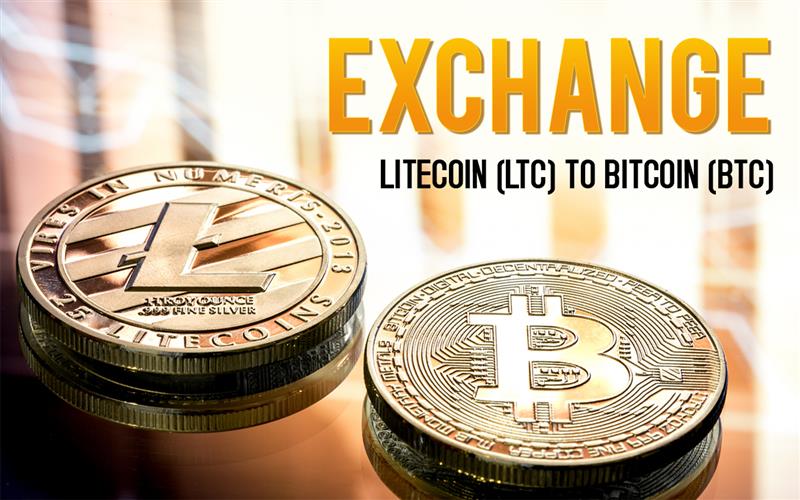
Litecoin to Bitcoin

To convert Litecoin (LTC), you can use cryptocurrency exchanges, P2P platforms, telegram bots, electronic exchangers. You can also exchange directly with individuals. Cryptocurrency exchanges are the safest method, however, many users find them not very convenient. You will need to fill out an order, send it for review, the commission can be quite large. P2P platforms, as a rule, do not have enough cryptocurrency reserves. In addition, the disadvantage is high commission fees and a limit on the number of exchange pairs. TG bots and individuals have a low security guarantee, a high risk of fraud. Also, many users note that commissions are often overpriced.

Ripple Network

In 2025, XRP has emerged as one of the most talked-about cryptocurrencies, defying expectations and outperforming many of its digital peers. Once entangled in legal disputes with the U.S. Securities and Exchange Commission, XRP is now riding a wave of renewed interest fueled by regulatory clarity, real-world utility, and the growing possibility of a spot ETF approval. As Ripple introduces its own USD-backed stablecoin and institutional adoption grows, XRP’s role in the evolving crypto-financial landscape is becoming increasingly significant. In this article, we explore the key drivers behind XRP’s surge, its future potential, and what it could mean for investors and the broader digital economy.

Bitcoin Market

Token presales are important for new blockchain ventures; they help with funding and create initial excitement. Chances are that, if you’re looking at new crypto coins in 2025, quite a few of them are first being offered up in a crypto presale. Knowledge of how tokenomics and vesting plans influence these early sales is needed. Tokenomics affects the price and the way the overall system works. Vesting governs releases; this stops market instability. These factors shape how ventures achieve results and maintain lasting possibilities.

Crypto Bar Chart

Over recent years, cryptocurrencies have profoundly reshaped financial markets, becoming mainstream assets around the world. Their decentralized nature and the remarkably strong profit potential associated with digital currency assets initially made Bitcoin and Ethereum some of the most attractive investment products globally. While the popularity and adoption of cryptocurrencies grow continuously, significant environmental concerns have simultaneously surfaced, raising important questions about their sustainability and ecological impacts. Indeed, major digital currencies utilizing proof-of-work algorithms have demonstrated worrisome levels of energy consumption, leading investors to reconsider their commitments.

No-KYC Crypto Exchanges

In recent years, the demand for no-KYC (Know Your Customer) crypto exchanges has surged. As privacy concerns increase and regulatory frameworks tighten, many users are seeking ways to trade cryptocurrencies without disclosing personal information. This article explores the factors driving the rising demand for no-KYC exchanges, the benefits they offer, and how platforms like Swapzone are meeting this growing need and agregate the best crypto exchange.

Blockchain Development

Blockchain technology is transforming industries with secure, transparent, and decentralized solutions. However, implementing blockchain effectively requires a tailored approach to ensure it meets specific business needs. Custom blockchain development allows businesses to build scalable, secure, and optimized solutions that align with their operational requirements.

Peer-to-Peer Currency Transfers

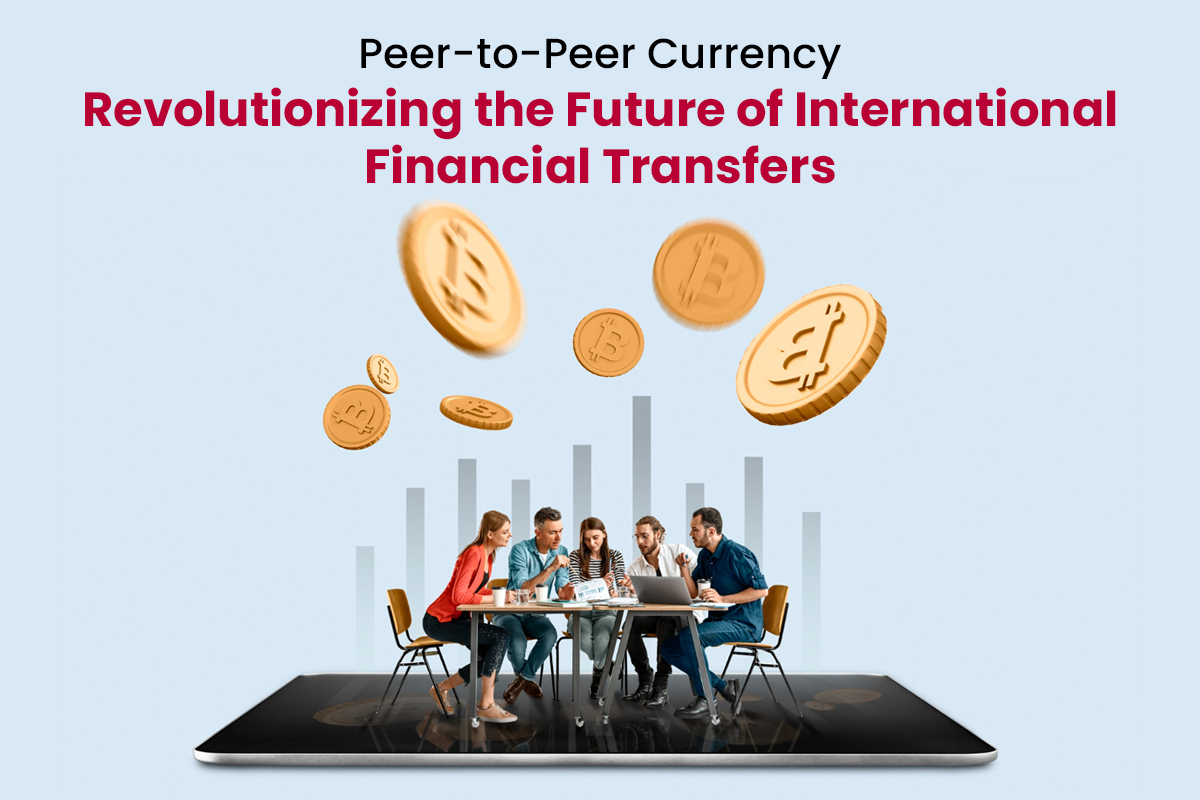
In today’s rapidly globalizing world, international money transfers are more essential than ever. However, traditional banking systems have long struggled to keep up with the demands of a digital era. High fees, delays, and restrictions are common obstacles when transferring money across borders. This is where peer-to-peer (P2P) currency networks come into play, offering a faster, more affordable, and inclusive solution for international financial transfers. Let’s explore how peer-to-peer currency is shaping the future of global finance.

Decentralized Currency

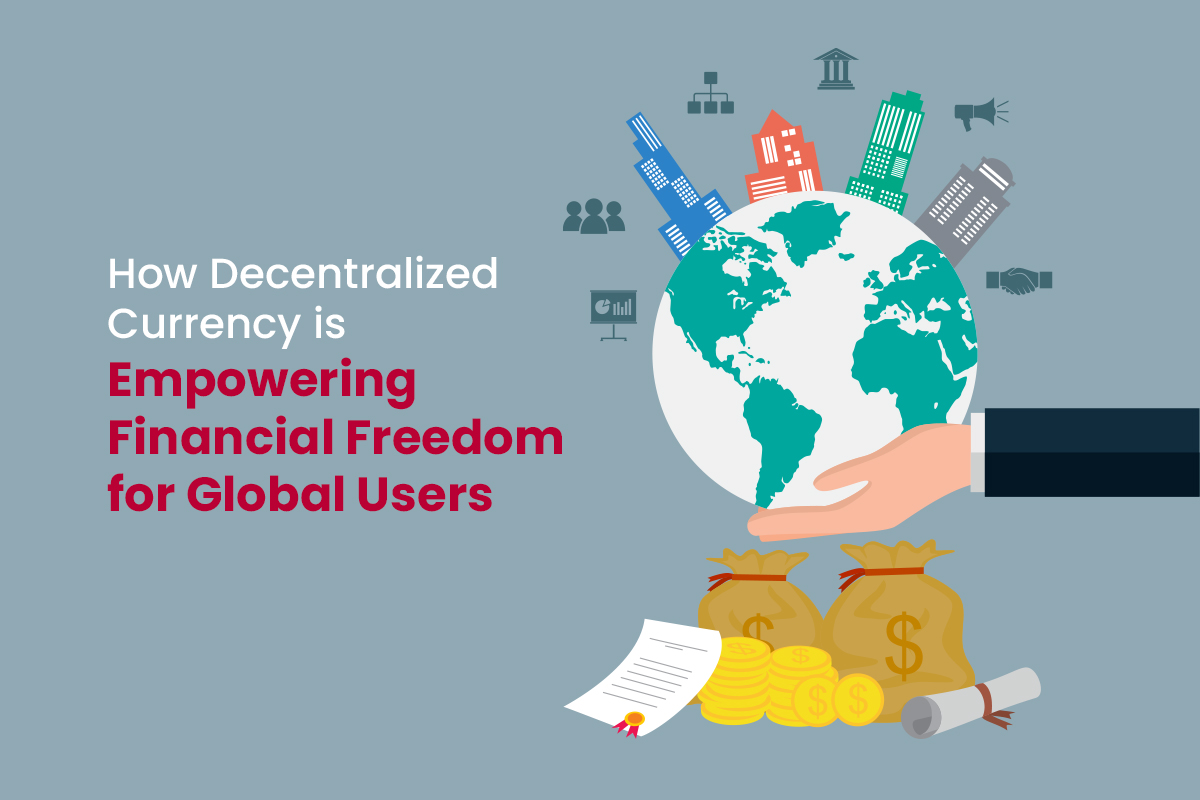
Decentralized currency is revolutionizing the financial landscape, offering new opportunities for individuals around the world to gain financial independence. Unlike traditional forms of money that rely on banks or governments, decentralized currency is managed by a global network of users, enabling greater access, security, and control. Let’s explore how decentralized currency is helping to unlock financial freedom across the globe.