Picture your daily grind but with a twist: the freedom to work from anywhere. It's not just a dream; it's the evolving reality of remote work. Now, IP geolocation emerges as the invisible hand that guides this transformation.

Counter-Strike 2 weapon cases continue the long-running tradition of randomized cosmetic rewards that began in CS:GO. While the game’s underlying drop odds are globally uniform, every part of the case opening economy—pricing, legislation, fraud risk, even community trading patterns—is deeply influenced by a player’s geographic location. Because IP geolocation is the most reliable way to infer that location, it sits at the heart of the conversation for gamers, regulators, and marketplace operators alike.
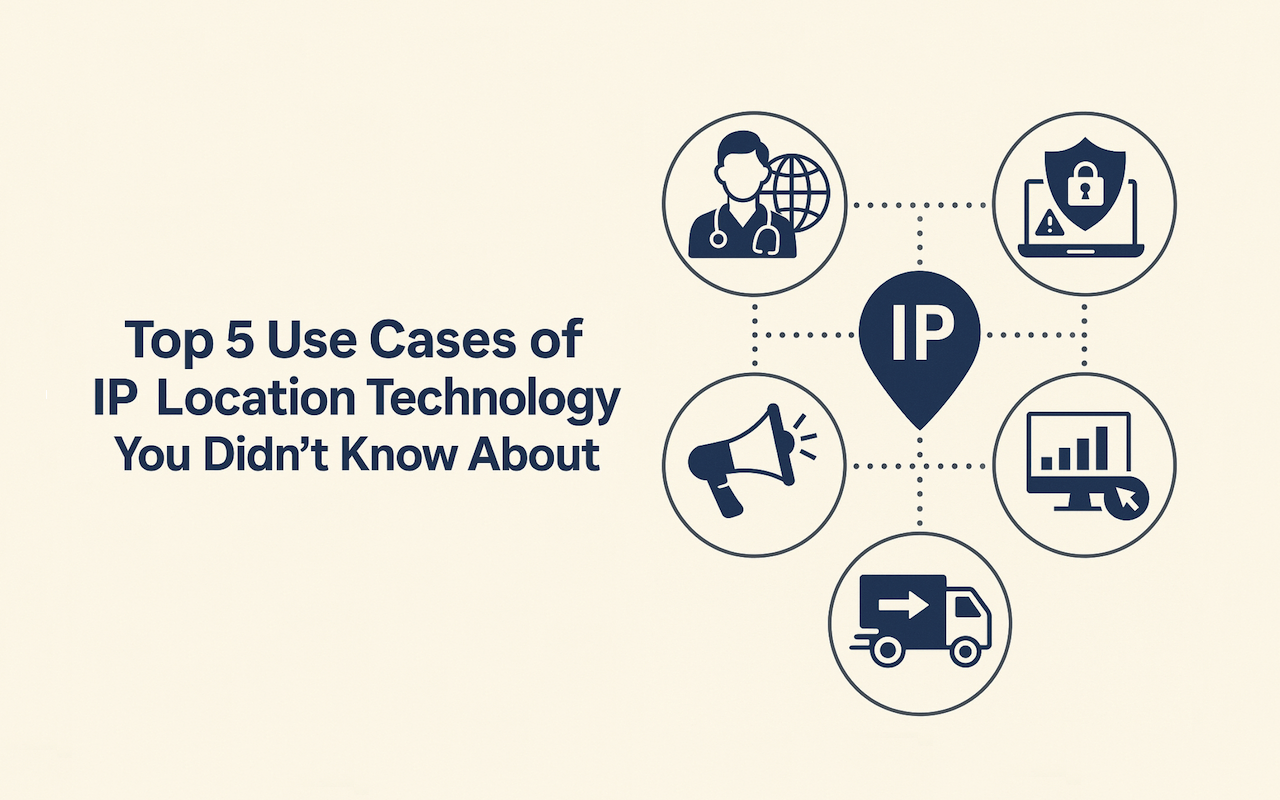
In 2025, IP location, or IP geolocation, has evolved far beyond targeted ads and geo-VPN blocking. In healthcare tourism, fintech, logistics, public safety, and e-commerce, organizations are leveraging IP location in innovative and often under-the-radar ways. These five use cases reflect recent research insights and real-world implementations.
AI is transforming marketing, from spotting trends to personalizing content and launching campaigns in real-time. But even this smart tool can miss one crucial detail: where your customers are.
Someone landing on your site from London probably isn’t looking for the same thing as someone in Mumbai. But if they both see the exact same message, pricing, or offer, one of them might bounce. That’s the gap many WordPress sites overlook.
Modern accounts-payable pipelines move at the speed of e-mail, yet fraudulent invoices still slip through the cracks and drain working capital. Blind, routine processing turns every shared inbox into an open door where counterfeit bills can stroll in unchallenged.
If your ads aren’t grounded in where your audience is, you’re not just missing relevance; you’re missing results. In a digital world overflowing with impressions, geolocation data lets advertisers connect with users the moment it matters.
The integration of geolocation data into Field Service Management (FSM) is revolutionizing how companies manage their on-site operations. As industries increasingly embrace digital tools, geolocation technology has become a game-changer, enabling businesses to optimize their service delivery, enhance operational efficiency, and improve customer satisfaction. By tracking the real-time locations of technicians and service vehicles, FSM systems can reduce downtime, streamline route planning, and ensure faster response times.
Cybersecurity threats are changing quickly in today's hyperconnected digital world. Data breaches, financial fraud, and violations of personal security are more likely than ever before, and cybercriminals are getting more sophisticated. IP geolocation technology is one of the most useful weapons in our defense arsenal as both individuals and companies strive to protect sensitive data. However, how does this tool operate and how does it defend us against the increasing number of online threats? This article will examine how IP geolocation can improve security and go over how cutting-edge technologies like AI humanizers and QR generators are raising the bar for online safety.
In early 2024, a mid-sized architectural firm in New Jersey faced every business owner's nightmare—a sudden ransomware attack that brought operations to a standstill. Years of client files, AutoCAD designs, financial records, and project notes were inaccessible within minutes. The first clue to the breach came not from a cybersecurity alert—but from a suspicious foreign IP address buried in the company’s firewall logs.