Blog Category


GeoTagging

We often share our photos on Instagram, Pinterest, and Facebook. We also send our photos via Whatsapp, Facebook Messenger, and Skype without much privacy concerns. Did you know that the person who receives your photo can reveal your personal information such as the location of where the photo was taken and when it was taken? If the photo was taken from your backyard, you are advertising where you live to anyone who has access to your photos. A stalker can find your home from an Instagram photo you've posted a few days ago, and a thief will be able to determine your whereabouts by looking at the timestamp embedded in our photo you posted an hour ago in Hawaii. We often share too much information on social media, and they can work against us if someone abuses them.

How to track a phone number?

Track a Phone Number

Would you like to find more information about someone by their phone number? Would you like to know someone's geolocation by their phone number? A phone number can reveal a lot about you, and it can be a privacy threat if abused. It can also make our lives easier if used properly under the party's agreement. Spying someone without their permission is illegal, and it should be avoided.

Will Apple allow CAID on Chinese Apps?

CAID

With Apple's new tightened privacy policy debuting on iOS 14, advertisers must obtain user's consent before they can track user's mobile app activities. Apple allowed mobile advertising ID (IDFA) on iOS and iPadOS devices, but they will no longer available without the user's consent. If an app asks a user to grant permission to track their activities, chances are that most users will deny it as no one wants to be tracked. This is a big problem for advertisers as they will have difficulty finding how users are reacting to their advertisements, and tracking behaviors and conversions.

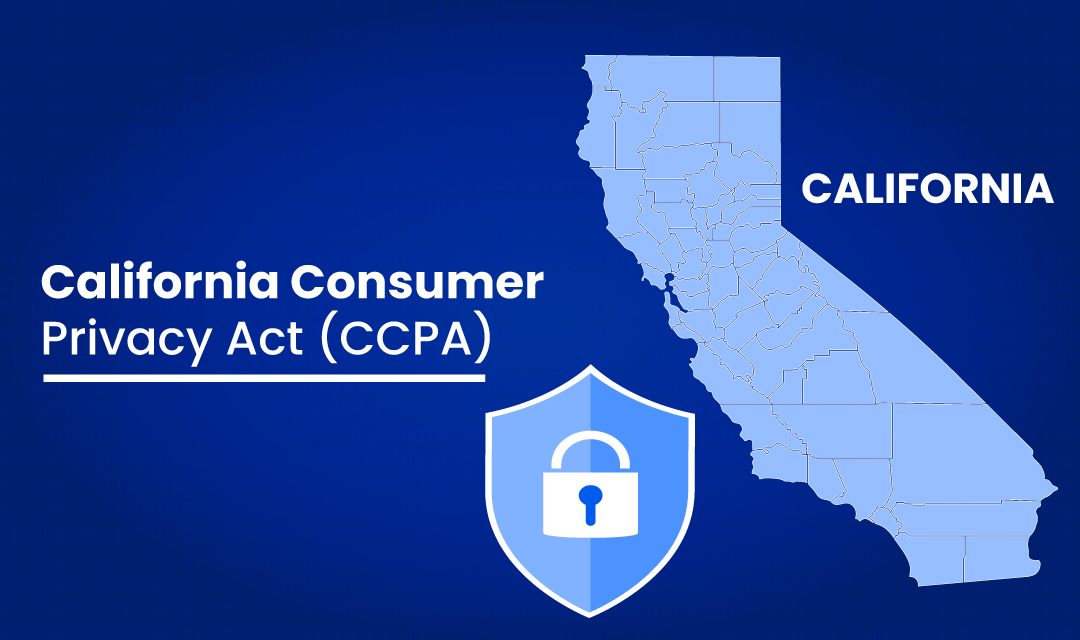
CCPA

With growing trend in consumer privacy concerns and exponential growth in data breaches, the state of California has created the California Consumer Privacy Act (CCPA) in 2018, and fully in effect on January 1, 2020. CCPA gives consumers more control over how businesses collect and use their personal information, and gives them the right to know, opt-out, delete, and non-discriminated for exercising their privacy rights.

GDPR

GDPR is a European privacy and security law that requires any organization that handles personally identifiable data of EU citizens to comply with its regulations. European Union mandated all organizations to comply with GDPR beginning on May 25, 2018. The GDPR imposes hefty fines for those who violate its privacy and security standards. With more and more personal data stored in the cloud, the EU is signaling the world that personal data must be treated private and stored securely. The GDPR is not only applicable to large corporations but also abides by small and medium-sized enterprises (SMEs).

How to detect Email Scams?

Detect Email Scams

An email is the easiest way for scammers to mass distribute fraudulent messages to people, and it takes very minimal effort on their part. Email service providers such as Gmail, Hotmail, and Yahoo! do their due diligence and filter all suspicious emails but scammers are finding new ways to bypass such filters. As an Internet user, it is our responsibility to identify and avoid them.

How to protect from Identity Theft?

Identity Theft

Identity Theft is the term used to steal someone's personal information, and use it to disguise one's identity and use it in cybercrime and fraud for financial gain. With everyone shifting financial activities to online, hackers and thieves are stealing personal information to use them in illegal activities.

Fake your IP Address

An IP Address is a unique address assigned to a computing device such as a computer, tablet, or smartphone. An IP address is analogous to the postal address of a house (or the phone number of your smartphone), where two houses cannot have the same address as a mailman will be confused about where to deliver the mail.

Ten Privacy Tips

The issue of online privacy or better said, the lack of it, has become one of the hottest topics on the Internet over the past few years. While there are certain initiatives and actions to introduce dedicated and separate privacy laws, all of this is still in its early stages. In light of this, here are ten quick tips on how to maintain online privacy going into 2020.

VPN vs. Tor

When we speak about online privacy, we constantly make references to the VPN. VPN stands for Virtual Private Network and completely secures traffic by using point-to-point encryption. VPN maintains anonymity by hiding your IP address. However, the VPN provider would be able to know your real IP address as they are the ones who will mask your real IP with a virtual IP.