
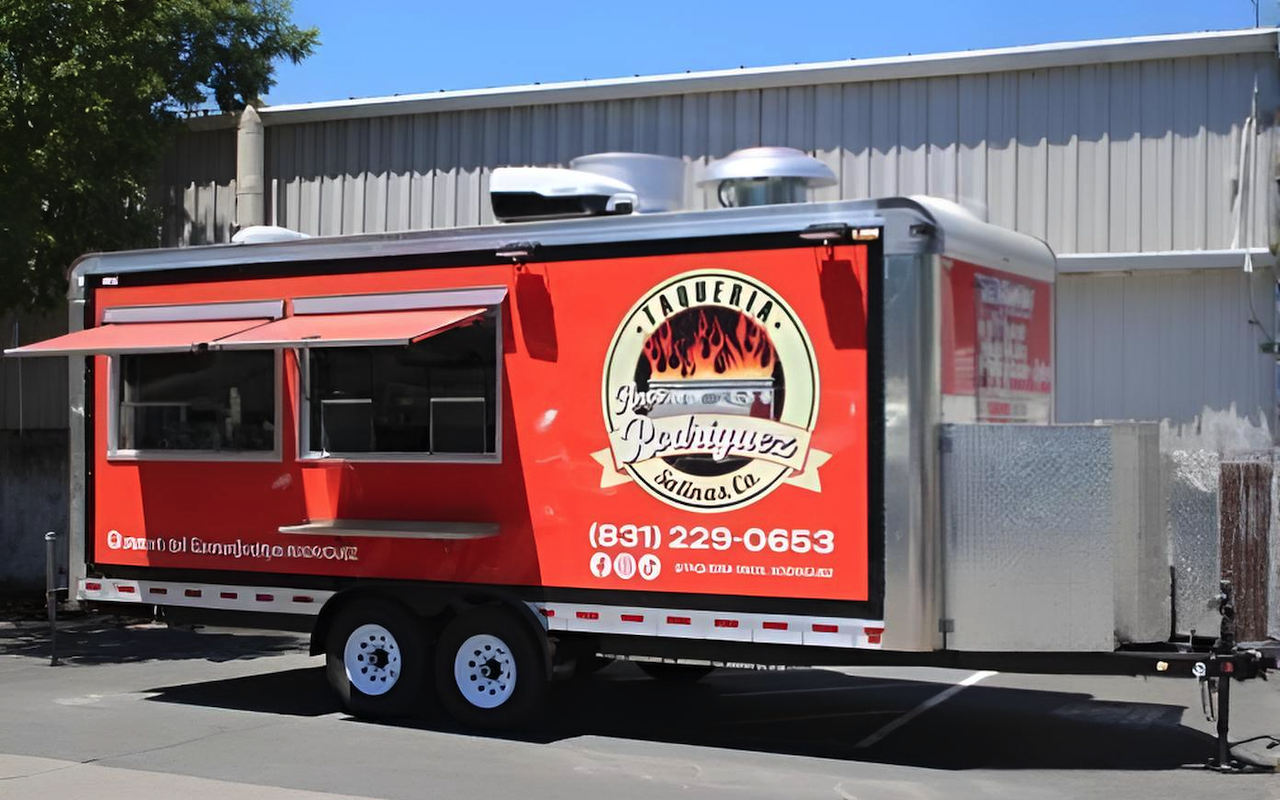
Starting a food trailer business in 2025 can be an exciting and profitable opportunity. Mobile food units are thriving at festivals, community events, and city streets across the country. But before you can start serving customers, it’s critical to understand the licensing, permits, and inspections required to operate legally. These regulations ensure food safety, protect consumers, and help your business avoid costly fines or delays.
Whether you’re purchasing a brand-new trailer or looking for a used unit, knowing the rules in advance will give you a smoother launch and build credibility with your customers.
State Licensing Requirements
In most states, food trailers must apply for a Mobile Food Unit License or its equivalent through a state health department or similar agency. This license generally requires compliance with food safety standards covering equipment, sanitation, and staff training.
Key requirements usually include:
- Hot and cold water systems with enough capacity for a full service day
- Refrigeration units with thermometers to maintain safe food storage
- Handwashing stations with soap, paper towels, and running water
- Approved cooking equipment that meets NSF or equivalent certification
- Wastewater storage and disposal systems that comply with state guidelines
Some states also require a commissary kitchen agreement if prep work, food storage, or dishwashing is done outside the trailer. In many places, at least one employee must hold a Certified Food Protection Manager credential to oversee safe food handling.
Local Permits and Zoning
On top of statewide licensing, local governments often impose additional rules. These can include:
- Temporary vendor permits for special events and farmers’ markets
- Zoning restrictions that determine where trailers may park and serve
- Parking regulations and operating hours
- Local inspection or permit fees, which may be separate from state charges
Before setting up at an event or permanent location, it’s essential to check with local health and zoning offices to confirm compliance.
Health and Safety Compliance
Food trailers are subject to regular health inspections. Typical requirements include:
- Maintaining safe storage temperatures (below 41°F for cold, above 140°F for hot)
- Proper disposal systems for grease, gray water, and trash
- Cleanliness of prep areas and cooking equipment
- Documented food safety practices and employee training
- Allergen management and cross-contamination prevention
Choosing a trailer that already includes compliant sinks, counters, and refrigeration can help you pass inspections faster.
Fire Safety Standards
Most states and municipalities also require fire inspections, especially for trailers using propane or fuel-powered equipment. Common requirements include:
- Fire suppression systems over fryers, grills, and stovetops
- Clearly marked emergency exits
- Properly rated fire extinguishers (Class K and ABC)
- Secure propane storage with ventilation
- Code-compliant electrical systems and generators
Annual inspections are usually mandatory to renew permits.
Insurance and Other Essentials
In addition to licenses and permits, food trailer operators typically need:
- General liability insurance to protect against accidents
- Commercial auto insurance for the trailer and towing vehicle
- Workers’ compensation insurance if hiring staff
- Business registration with the state and a sales tax permit if selling taxable items
Some event organizers require proof of insurance before allowing vendors to operate.
Example: Minnesota Food Trailer Licensing in 2025
To illustrate, let’s look at Minnesota. In 2025, food trailers there must secure a Mobile Food Unit License from the Minnesota Department of Health. Trailers must have running water, refrigeration, and NSF-certified cooking equipment, and at least one Certified Food Protection Manager must be on staff.
In addition, certain cities, such as Bloomington, require temporary food vendor permits for local fairs and markets, compliance with zoning rules, and separate local inspection fees. Fire inspections are mandatory for propane-equipped trailers, and operators must also carry general liability and auto insurance.
This Minnesota example highlights how state-level requirements often layer with city-specific rules, making it important to research both.
Tips for a Smooth Licensing Process
- Keep all documentation (manuals, receipts, inspection records) organized
- Stay updated with your state’s health department regulations
- Contact local authorities early to clarify requirements
- Network with other food trailer owners for first-hand insights
- Schedule inspections well before peak season
Conclusion
Adhering to licensing and permitting requirements ensures smooth operation and long-term success for your mobile food business. Whether you plan to serve at community events or establish a regular location, compliance is the foundation of growth. For entrepreneurs preparing to enter the industry, starting with a food trailer that already meets health, safety, and fire standards can simplify the process and help you launch with confidence. With the right preparation and equipment, you’ll be ready to grow a food trailer business that is both compliant and sustainable.
Featured Image by Freepik.
Share this post
Leave a comment
All comments are moderated. Spammy and bot submitted comments are deleted. Please submit the comments that are helpful to others, and we'll approve your comments. A comment that includes outbound link will only be approved if the content is relevant to the topic, and has some value to our readers.
Comments (0)
No comment