
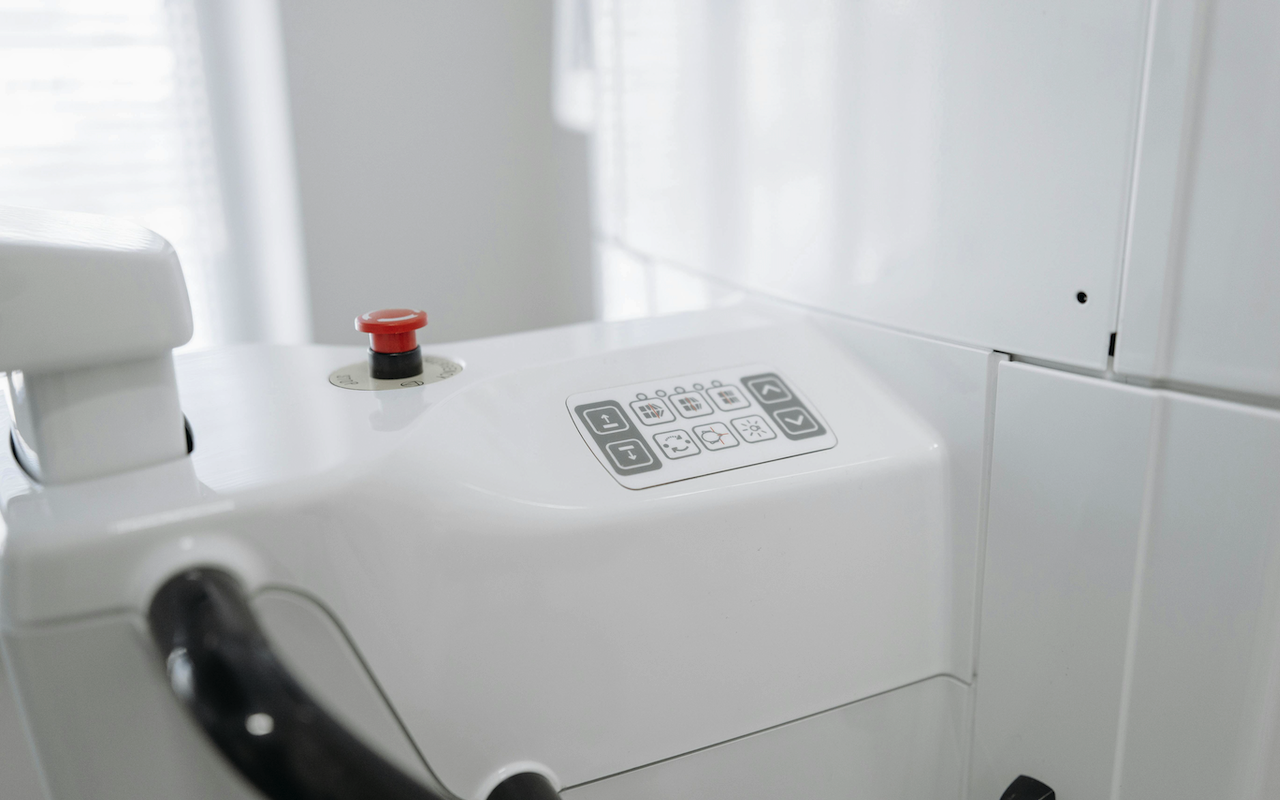
In healthcare’s demanding and urgent environment, every moment counts.. Whether it’s responding to a medical emergency, addressing workplace violence, or preventing security breaches, rapid communication and immediate action are critical. Among the most effective tools emerging in this field are advanced panic button solutions—innovations that are transforming the way healthcare providers protect staff, patients, and facilities. The evolution of panic button technology has moved far beyond simple alarms; today, it represents a sophisticated intersection of innovation, connectivity, and proactive safety measures.
The Growing Need for Advanced Safety in Healthcare
Healthcare settings face unique safety challenges. Hospitals, clinics, and care centers are open environments where medical staff interact with the public daily. Unfortunately, these spaces can be vulnerable to aggressive behavior, patient distress, and unexpected threats. Data from various healthcare safety studies show an increasing number of workplace violence incidents, many of which require immediate intervention to prevent escalation.
In such situations, acting quickly becomes the most critical factor. Traditional methods, such as calling security via phone or relying on overhead paging, can cause delays. Modern panic button solutions bridge this gap by providing instantaneous alerts that reach the right people in seconds.
The Impact on Healthcare Staff Safety and Mental Well-Being
Safety is not only about guarding the body but also about fostering a sense of reassurance. Nurses, doctors, and support staff work more confidently knowing they have immediate access to help when needed. This reassurance can significantly reduce workplace stress, improve morale, and promote mental well-being.
When healthcare employees feel supported, they can focus more on patient care rather than worrying about personal safety. This has a direct impact on the quality of care delivered, as a secure environment fosters better patient-provider interactions.
One example of this movement is Response Technologies LLC, which develops advanced panic button solutions tailored for healthcare environments. These systems apply smart connectivity and rapid alert capabilities to support safer and more responsive facilities.
Such innovations are especially important in facilities that face unpredictable scenarios on a daily basis. These systems are designed to be scalable and integrate with hospital communication networks, helping ensure emergency signals are delivered quickly to the appropriate personnel.
How Panic Button Solutions Have Evolved
The earliest panic buttons were basic devices: press a button and an alarm would sound. While functional, these systems lacked integration with broader security and communication networks. The latest generation of panic button solutions, however, integrates with wireless networks, GPS tracking, and even artificial intelligence to deliver targeted alerts with precise location data.
These advancements allow hospital security teams to know exactly where an incident is taking place, who needs help, and how urgently the situation must be addressed. For example, wearable panic buttons can transmit a silent distress signal directly to security personnel’s devices, allowing them to respond discreetly without escalating tensions.
Key Features of Modern Panic Button Technology
The role of technology in enhancing panic button systems lies in its ability to combine speed with intelligence. Some of the most impactful features include:
- Real-Time Location Tracking: Advanced systems use GPS and indoor positioning to pinpoint the exact location of the person in distress, enabling rapid intervention.
- Silent Alerts: Instead of loud alarms that may worsen a situation, many devices send silent notifications to designated responders.
- Integration with Healthcare Communication Systems: Panic buttons can now connect with hospital communication platforms, ensuring a coordinated response between security, medical teams, and administration.
- Mobile Accessibility: Smartphone-enabled panic button apps allow any staff member to call for help from anywhere on the premises without dedicated hardware.
- Data Reporting and Incident Logging: Systems automatically record incident details for post-event analysis, compliance, and training purposes.
Patient Protection and Emergency Response
Panic button systems aren’t solely for staff safety; they also play a critical role in protecting patients. In situations such as medical emergencies, rapid response can be life-saving. A panic button pressed by a nurse in a patient’s room can trigger an immediate dispatch of additional medical staff or equipment, shaving off precious seconds during critical interventions.
For vulnerable patient populations, such as those in mental health facilities, elder care homes, or pediatric units, panic buttons act as an essential safeguard against harm.
The Rise of Technology as a Safety Partner
The development of panic button solutions aligns with the broader rise of technology in healthcare. Just as electronic health records, telemedicine, and AI diagnostics have redefined patient care, security innovations are redefining safety protocols. Innovators in this field are pushing boundaries, creating systems that not only respond to emergencies but also help prevent them.
Some systems now use predictive analytics, monitoring patterns of incidents to identify high-risk areas or times. This proactive approach enables hospitals to deploy resources more effectively and prevent incidents before they escalate.
Implementation Considerations for Healthcare Facilities
Adopting panic button solutions requires careful planning. Facilities must evaluate their unique needs, including:
- Size and layout of the facility
- Areas with higher security risks
- Integration with existing communication systems
- Training requirements for staff
- Compliance with healthcare and privacy regulations
Proper staff training is essential to ensure everyone knows how and when to use the system. Regular drills and scenario testing can further strengthen response readiness.
Looking Ahead: The Future of Panic Button Technology
The next phase of panic button evolution will likely involve deeper integration with artificial intelligence, Internet of Things (IoT) devices, and wearable health monitors. For instance, AI could automatically detect abnormal behavior patterns or environmental cues, such as raised voices or sudden movements, and prepare a pre-emptive alert for staff to review.
As these systems become more intuitive and predictive, they will shift from being purely reactive to being a cornerstone of proactive healthcare safety strategies.
Conclusion
From innovation to action, advanced panic button solutions are reshaping the landscape of healthcare safety. They provide a powerful combination of speed, accuracy, and discretion—qualities that are essential in protecting both staff and patients. As technology continues to rise, healthcare facilities have an unprecedented opportunity to create safer, more supportive environments where medical professionals can focus on what they do best: delivering exceptional care.
Featured Image by Freepik.
Share this post
Leave a comment
All comments are moderated. Spammy and bot submitted comments are deleted. Please submit the comments that are helpful to others, and we'll approve your comments. A comment that includes outbound link will only be approved if the content is relevant to the topic, and has some value to our readers.
Comments (0)
No comment