
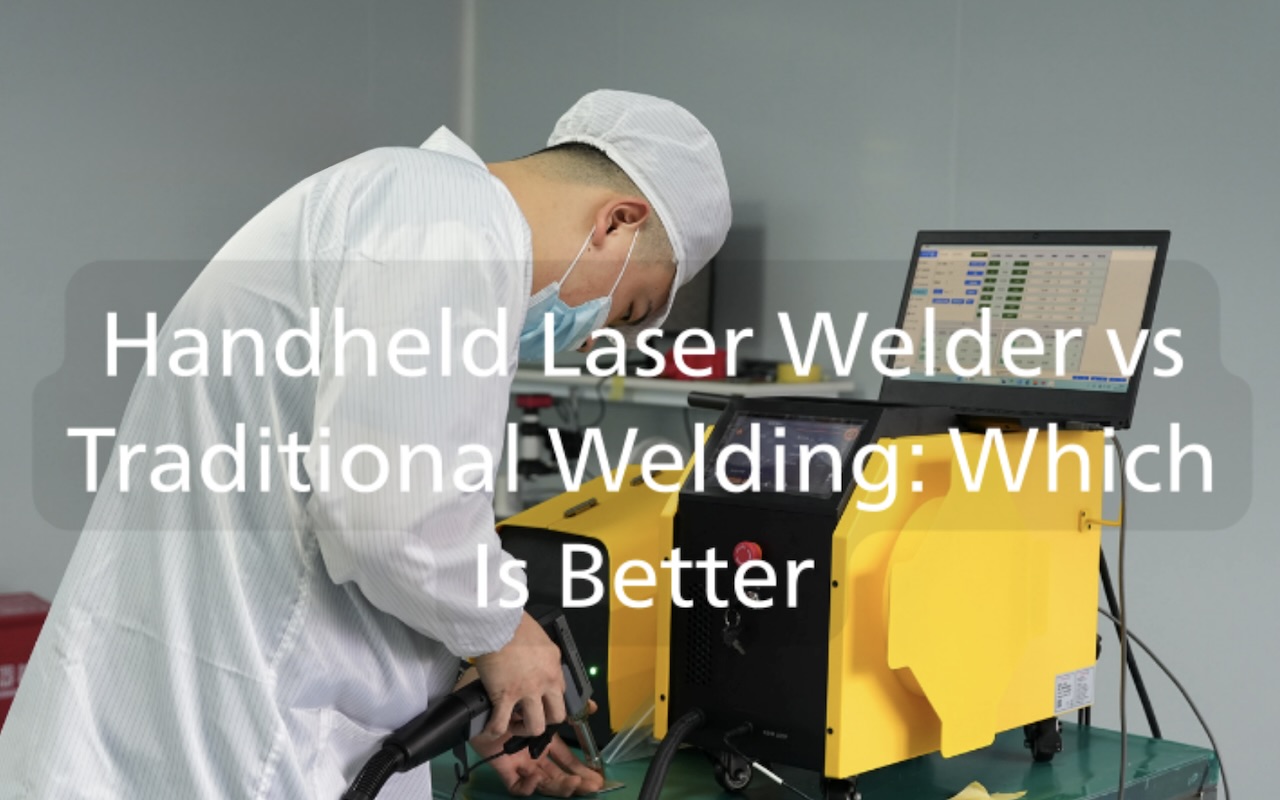
Welding is at the heart of modern manufacturing, from automotive and aerospace to construction and medical devices. For decades, traditional processes such as MIG, TIG, stick, gas welding, and resistance welding have dominated the shop floor. Today, the rise of the handheld laser welder is changing how engineers think about speed, precision, and automation. This article compares this newer technology with traditional welding methods so you can decide which option is better for your projects.
What Is a Handheld Laser Welder Compared to Traditional Welding
A handheld laser welding machine uses a focused laser beam to melt and fuse metals along a joint. Energy is concentrated into a very small spot, creating a narrow molten pool that solidifies into a strong weld with minimal heat spread.
Traditional welding methods work differently:
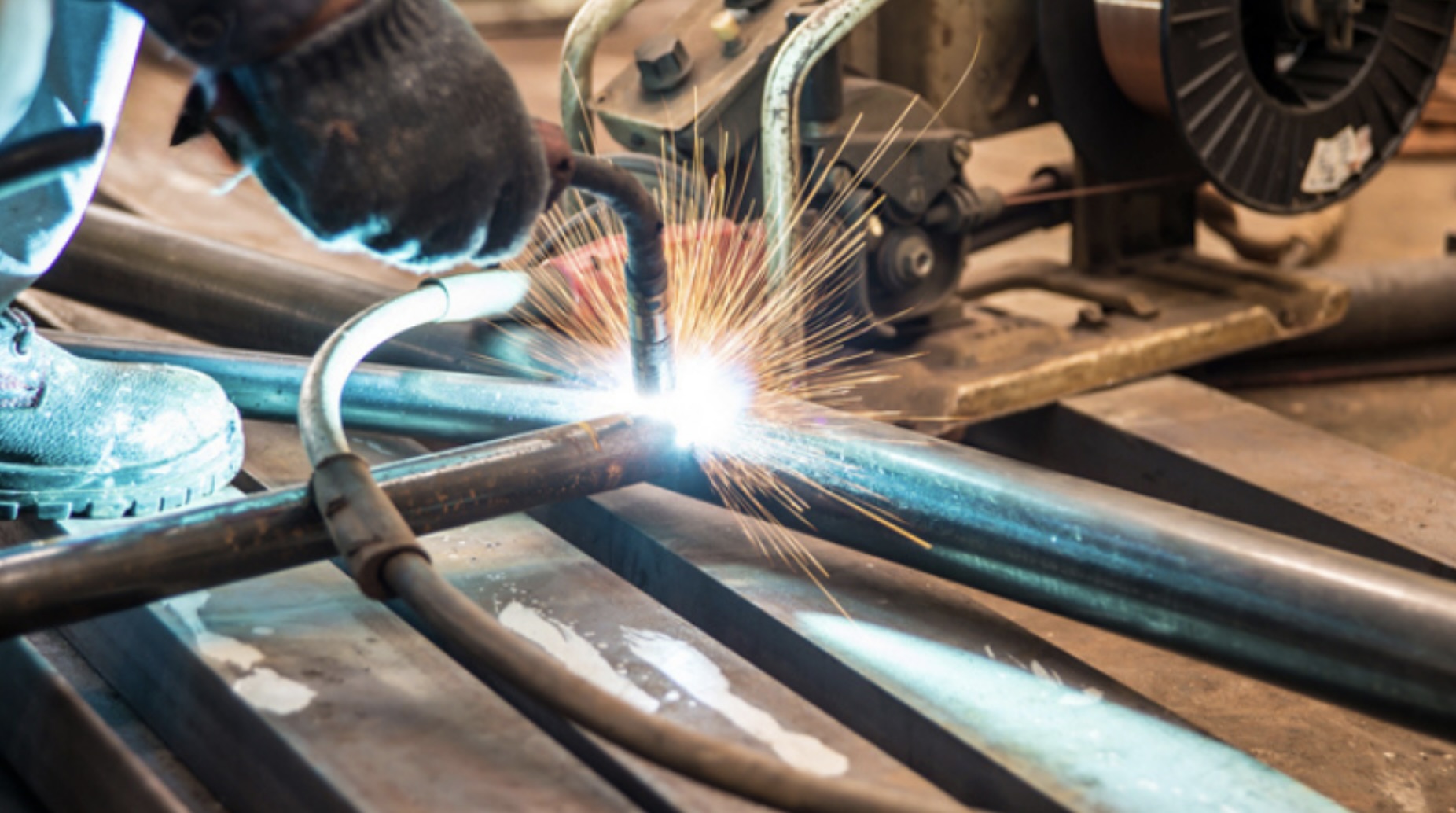
- MIG and TIG rely on an electric arc.
- Stick welding uses a flux-coated electrode.
- Gas welding uses a flame.
- Resistance welding uses current and pressure.
These methods apply heat over a much broader area, which often increases distortion, spatter, and post-processing requirements. In contrast, the laser system delivers precise heat exactly where it is needed.
How It Works
A handheld laser welder generates a laser beam from a fiber or diode source, then delivers it through an optical cable to a handheld welding gun. Inside the gun, lenses focus the beam to a tiny spot on the workpiece. Key steps in the process:
- The operator positions the welding gun along the joint.
- The laser beam locally melts the metal.
- Shielding gas protects the molten pool from oxidation.
- The metal solidifies into a clean, narrow weld bead.
Because the energy is so concentrated, the heat-affected zone remains very small. This allows the handheld laser welder to join thin and delicate parts that would easily warp under traditional welding.
Why Some Laser Welders Perform Better in Real Applications
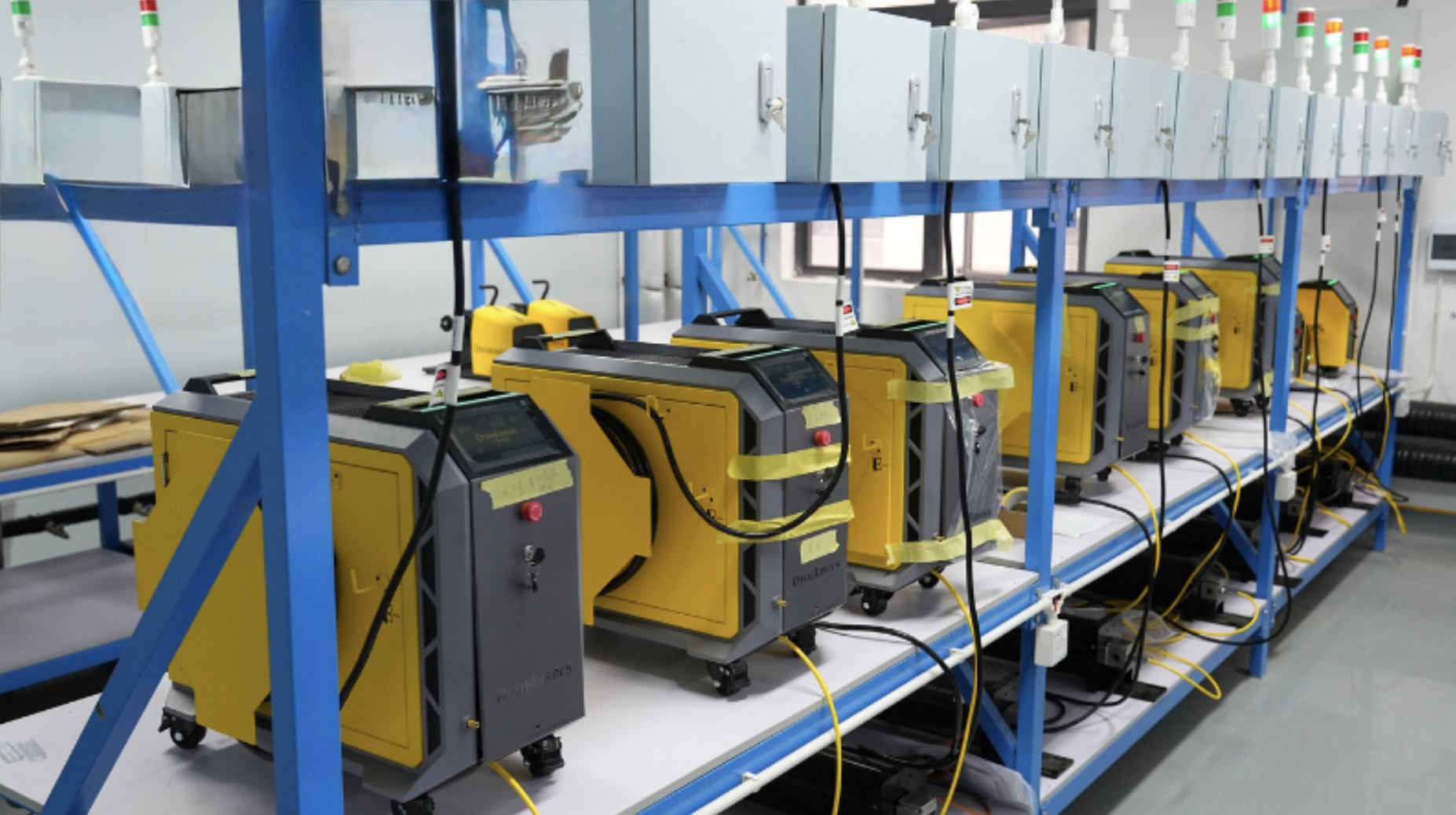
Some handheld laser systems, such as the Dynalasers fiber laser welder, as an example, offer stable and consistent performance in workshop and field environments due to several practical design features.
- Stable Laser Output: Machines equipped with well-regulated fiber laser sources maintain steady power delivery, helping ensure uniform penetration and smooth weld seams.
- Efficient Cooling System: Advanced air-cooled or integrated cooling designs support continuous operation by preventing overheating and reducing power fluctuations.
- High Power and Deep Penetration Capability: Models offering higher power levels—sometimes up to 1800W or more—can achieve strong welds with deeper penetration, depending on the material type and joint structure.
- Easy Operation with Preset Modes: Many handheld laser welders include preset parameters for common materials such as stainless steel, aluminum, and carbon steel, allowing operators to achieve consistent results with less setup time.
- Low Maintenance and Durable Construction: Simplified internal components and straightforward lens maintenance help minimize downtime and reduce long-term maintenance demands.
- Support for Various Materials: Most modern handheld laser welders are capable of joining stainless steel, carbon steel, aluminum, galvanized steel, brass, and some dissimilar metal combinations.
- Optimized Wobble Welding: Adjustable wobble patterns improve bead appearance, increase gap-bridging ability, and help limit porosity in the weld.
These characteristics contribute to the reliability of this type of equipment for daily production tasks, repair work, and precision fabrication.
Why Handheld Laser Welding Is More Precise Than Traditional Methods
Precision is one of the strongest advantages of this technology. The laser beam can be focused to a very small diameter, which results in:
- Tight control of weld width and penetration
- Narrow heat-affected zone with reduced distortion
- Clean appearance with minimal spatter and discoloration
- Support preset parameters
Traditional welding methods, such as MIG and TIG, rely heavily on the operator's skill and feel. Any slight movement can alter the weld seam and the heat input. Handheld laser welding machines are better suited to standardized production processes.
How Handheld Laser Welding Compares to Traditional Methods
When comparing laser welding to MIG, TIG, and stick welding, several differences stand out.
Speed and Efficiency
- Handheld Laser Welder: Often 3 to 10 times faster than TIG and well-suited for high-volume production and thin sheet materials.
- MIG Welding: Fast and efficient on thicker materials, making it a strong choice for structural work and large fabrications.
- TIG Welding: Slower but highly precise, ideal for high-quality manual welds that require detailed control.
Heat Input and Distortion
- Handheld Laser Welder: Produces very low heat input with a small heat-affected zone, resulting in minimal warping.
- MIG and TIG: Generate higher heat over a broader area, increasing the risk of distortion—especially on thin materials.
Post Processing
- Handheld Laser Welder: Minimal grinding and polishing required, with a clean weld bead and very little spatter.
- Traditional Welding: Typically involves more slag removal, polishing, and general cleanup.
Overall, the handheld laser welder is superior for thin materials, precision components, and high-speed production, while traditional welding remains strong for heavy sections and gap filling.
Best Suited Materials and Thicknesses
Laser welding equipment is extremely versatile in terms of material compatibility. It can weld:
- Stainless steel
- Carbon steel
- Aluminum
- Titanium
- Some copper and brass components
- Dissimilar metal joints in selected combinations
Ideal thickness range for a handheld laser welder in most workshops:
- From about a 0.5 mm thin sheet.
- Up to around 5 to 6 mm in a single pass, depending on power.
Combining a laser with MIG or TIG can also be used for welding thicker materials. However, when working on particularly thick components or when filling large gaps, traditional welding remains more suitable.
Cost, ROI, and Training
The cost composition of handheld laser welding machines is quite different from that of MIG and TIG. Understanding the relationships among these cost factors can help enterprises determine whether laser welding can reduce total costs and improve production efficiency.
Initial Investment
- Higher purchase price than basic MIG or TIG machines.
- Requires a stable power source and shielding gas.
Operating Costs
- Very low consumable usage.
- Less wire, electrodes, and grinding materials.
- Reduced rework and scrap due to better precision.
Return on Investment
This kind of laser system can pay back faster in environments where:
- Production volume is medium to high.
- Weld appearance and precision are critical.
- Labor costs are high.
Training
- Handheld Laser Welder: Intuitive operation with preset parameters and a shorter learning curve once settings are defined.
- TIG Welding: Requires extensive hands-on practice and is heavily dependent on operator skill.
This means a handheld laser welder can reduce labor costs over time and make it easier to maintain consistent quality across multiple operators.
Safety Differences
The safety regulations for handheld laser welders are different from those for arc welding. Each process has its own risk points and protection requirements, and operators need to be well aware of these details before they start working.
Handheld Laser Welder
- Requires proper laser-rated eye protection.
- Needs shielding or curtains to block stray reflections.
- Produces less fume and almost no spatter.
- Cleaner work environment and lower fire risk.
Traditional Welding
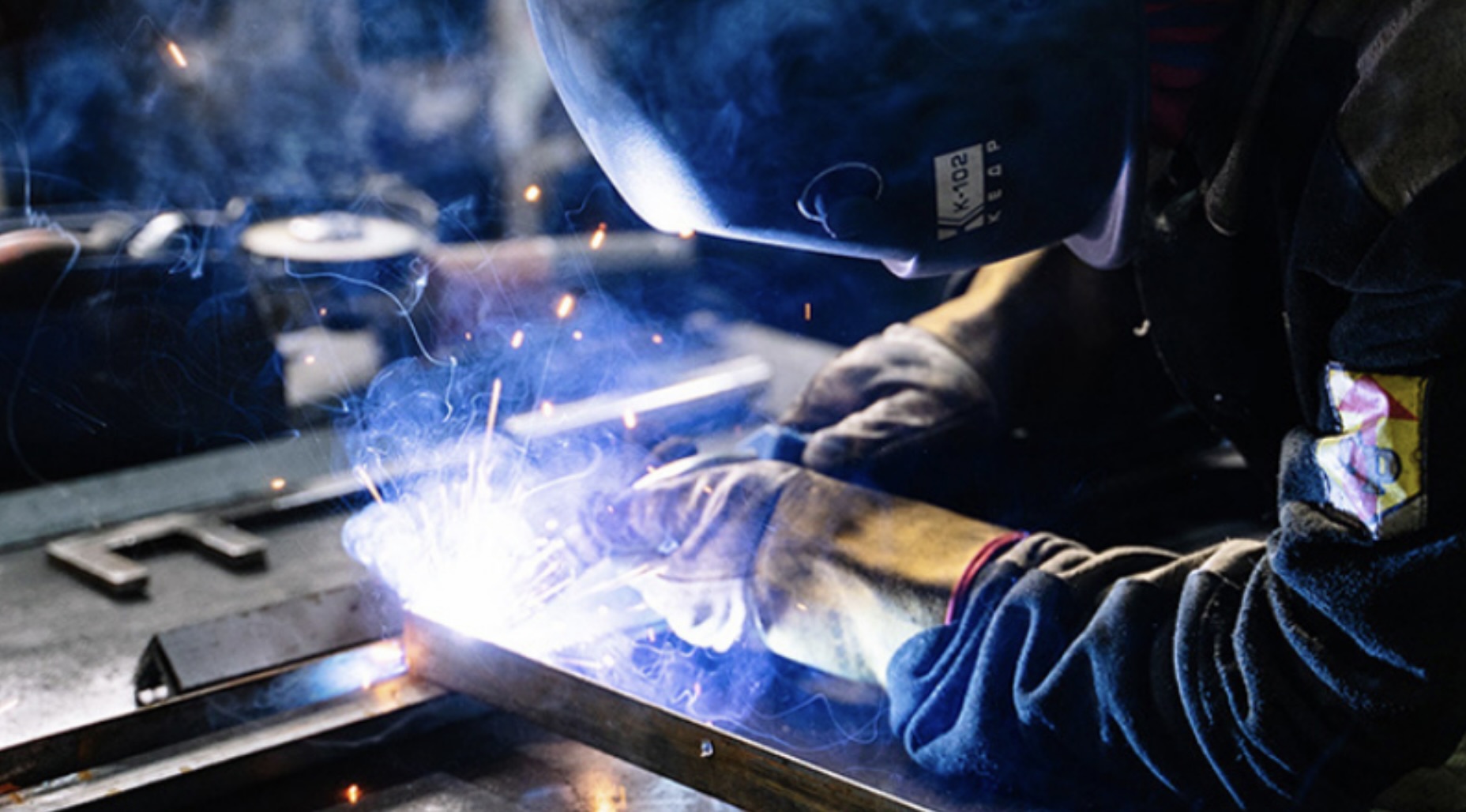
- Intense UV and visible arc light.
- More fumes and gases.
- Spatter and slag that can cause burns and fires.
With appropriate laser safety measures in place, a handheld laser welder offers a cleaner and often safer overall environment than many traditional processes.
Applications That Benefit Most from a Handheld Laser Welder
A handheld laser welder shines in industries that demand high precision, low distortion, and clean welds. Typical applications include:
- Automotive parts
- Exhaust systems
- Battery components
- Thin body and structural parts
- Aerospace and electronics
- Lightweight, thin-walled parts
- Precision enclosures and connectors
- Medical and food equipment
- Stainless steel instruments
- Hygienic surfaces with minimal crevices
- Home appliances and kitchenware
- Stainless sinks and panels
- Decorative and visible welds
In these sectors, a handheld laser welder often outperforms MIG and TIG in both appearance and efficiency.
How to Decide Between a Handheld Laser Welder and Traditional Welding
Choosing between a handheld laser welder and traditional welding methods depends on your specific needs. You can use the following checklist as a guide.
Choose a handheld laser welder if:
- You work mainly with thin to medium thickness metals.
- You need high speed and consistent quality.
- Weld appearance and low distortion are top priorities.
- You want to reduce post processing and rework.
- Automation and future scalability matter to your business.
Choose traditional welding if:
- You weld very thick sections or large structural parts.
- You often need to fill wide gaps or perform heavy repairs.
- You frequently weld outdoors in less controlled conditions.
- Your budget can only support low initial equipment costs.
Many manufacturers find that the best solution is a combination of both. A handheld laser welder handles precision, thin sheet, and high value parts, while MIG and TIG cover thick sections, repairs, and field work.
Conclusion
Handheld laser welding will not completely replace traditional methods, but in tasks that require rapid processing, high precision, and low deformation, its advantages are very obvious.
For teams exploring laser welding, equipment such as fiber-based handheld laser welders can serve as examples of what this technology typically provides. Users can compare specifications across different brands or consult other qualified welding professionals and suppliers. This helps ensure the selected machine aligns with the materials, workflows, and precision requirements of their specific applications.
 FAQs
FAQs
It's not exactly like that. Handheld laser welding machines are better suited for thin metals and precise operations, and the weld surfaces are smoother. MIG and TIG are more suitable for welding thick materials, working outdoors, or when filling gaps.
No. These machines usually have preset modes, which makes learning them much easier than mastering the precise movements of a TIG welding gun and filler rods.
They use an ordinary workshop power supply, along with common protective gases such as argon. Most models do not require any special installation procedures.
The maintenance required during daily operations is very minimal. Usually, it only involves cleaning the lens regularly and inspecting the gas pipeline. There is no need for electrodes, filling rods, or frequent replacement of other consumables.
Yes. Faster welding, fewer consumables, lower rework rates, and less subsequent processing all contribute to a significant reduction in long-term costs.
Share this post
Leave a comment
All comments are moderated. Spammy and bot submitted comments are deleted. Please submit the comments that are helpful to others, and we'll approve your comments. A comment that includes outbound link will only be approved if the content is relevant to the topic, and has some value to our readers.
Comments (0)
No comment