
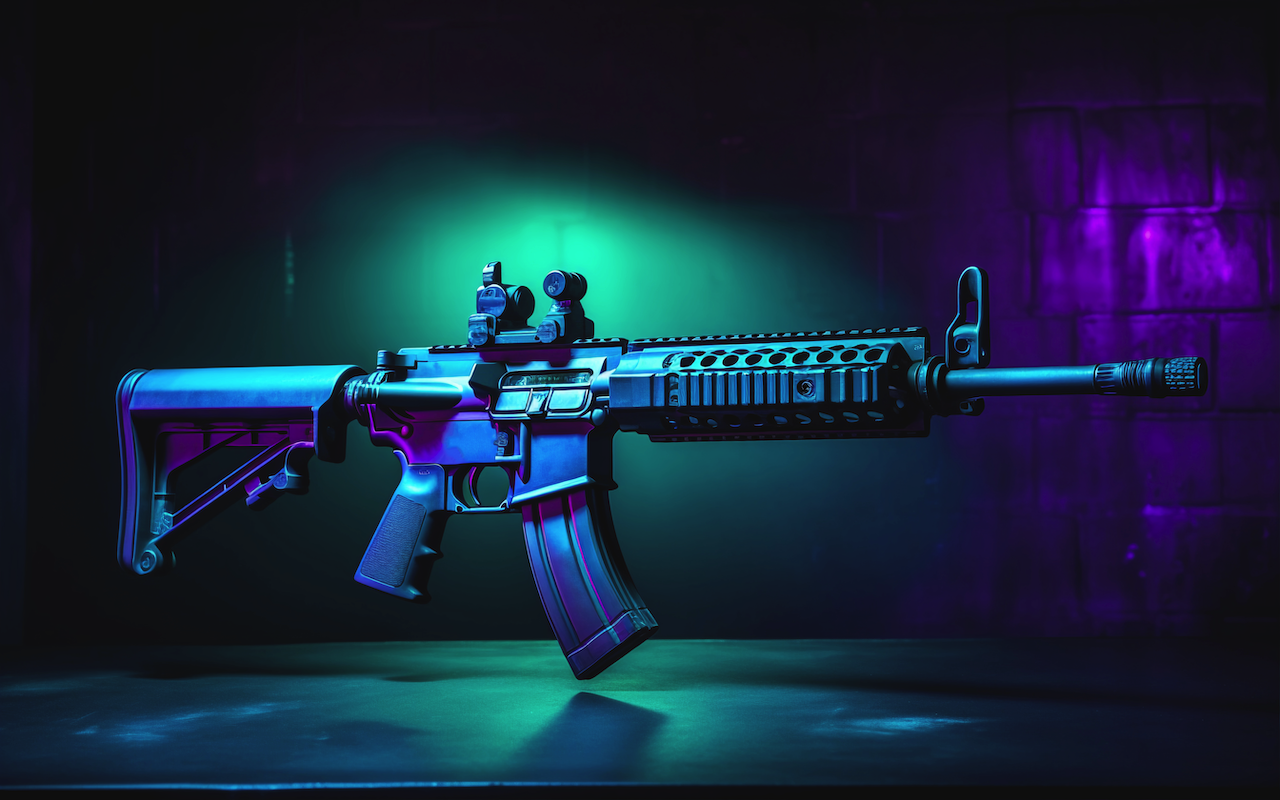
CS2 skin prices work differently than most people expect. The skin market operates without fixed values—prices get determined entirely by what buyers will pay and what sellers will accept. This creates something pretty interesting: a completely free marketplace where supply and demand rule everything.
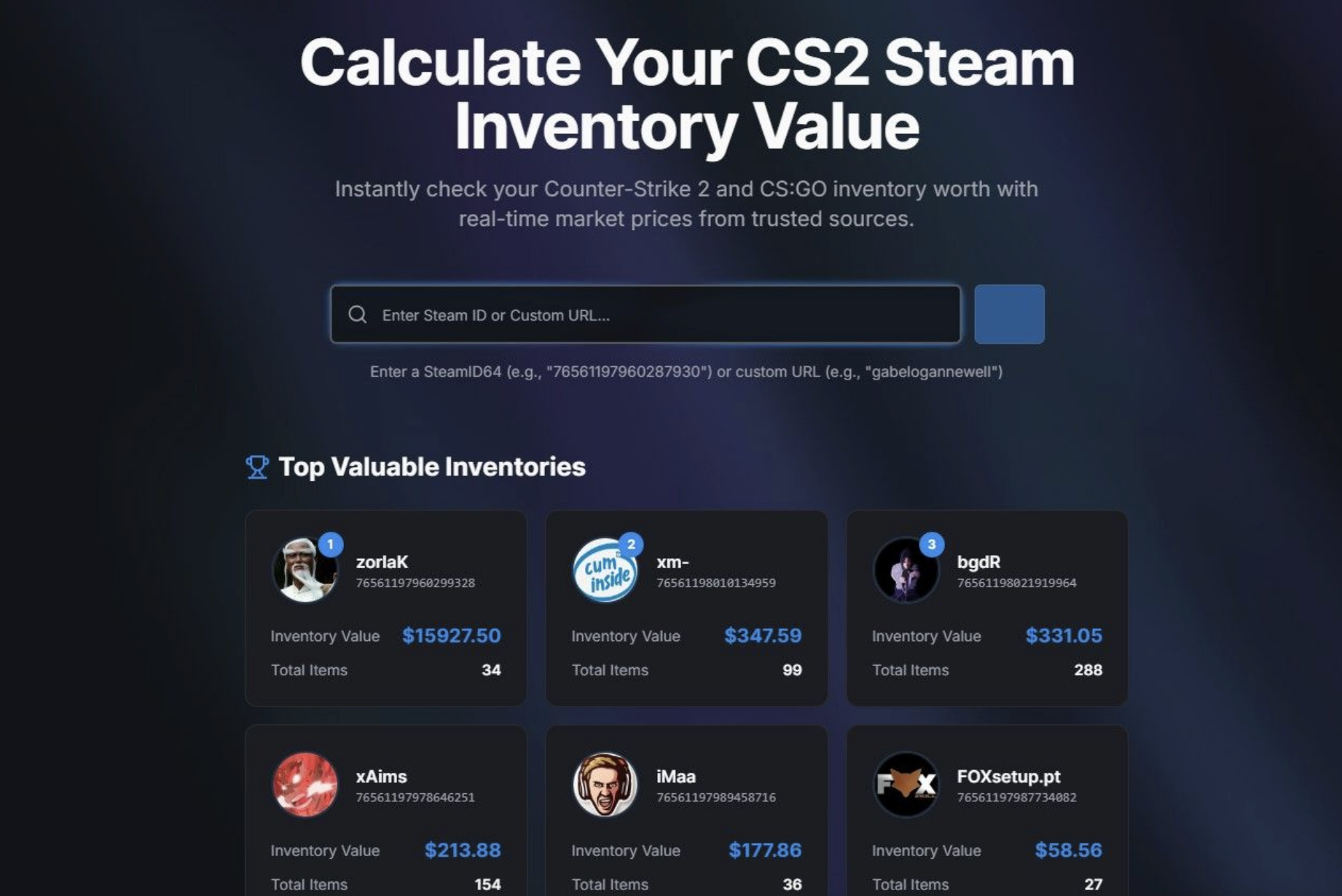
The result is a trading environment with real profit potential. Players are finding that CS2 skins can generate solid returns in relatively short periods. But making smart trades means you need to track price movements properly. Whether you're using a basic CS2 skin price checker for quick lookups or diving into detailed CS2 price checker data, staying informed makes the difference between profit and loss. Professional CS2 skin price trackers have gotten sophisticated too—you'll find in-depth charts with daily sales volumes and OHLC (Open-High-Low-Close) data.
The market has its quirks, though. New skins usually launch overpriced because of the initial hype. Factory New conditions command premium prices not just for rarity, but because they look better. Plus, popular weapons like the AK-47 or M4A4 consistently sell for more than niche guns like the FAMAS or MAG-7. Learning how to check CS2 skin prices correctly helps you spot these patterns and make better trading decisions.
What Affects CS2 Skin Prices
CS2 skin values depend on several key factors that smart traders pay attention to.
Float value stands as the most important price driver. It's measured from 0.00 (perfect condition) to 1.00 (completely beat up). The system creates five wear categories: Factory New (0.00-0.07), Minimal Wear (0.07-0.15), Field-Tested (0.15-0.38), Well-Worn (0.38-0.45), and Battle-Scarred (0.45-1.00). Lower float values mean higher prices—an AK-47 Neon Rider in Factory New condition costs three times more than the same skin in Field-Tested condition.
Weapon popularity drives market demand. Skins for meta weapons like AWP, AK-47, and M4A1-S consistently sell for premium prices because these guns dominate gameplay, accounting for more than 7 out of 10 kills in professional matches. Nobody wants an expensive skin for a weapon they rarely use.
Pattern numbers create huge price differences, especially for Case Hardened, Fade, and Doppler finishes. These patterns range from 0-999, and rare ones like Case Hardened "Blue Gems" can be worth 10-100 times more than regular patterns. It's all about finding those special combinations.
Market supply plays a major role too. Discontinued cases and collections create limited supply pools that drive prices up over time. The M4A4 Howl became "contraband" after being removed for copyright issues, and its price has been climbing ever since.
The bottom line? CS2 skin pricing comes down to looks, rarity, weapon relevance, and what the community wants at any given moment.
Ways to Track CS2 Skin Prices
Serious skin trading demands the right tools. You can't rely on guesswork when real money is on the line.
The Steam Market gives you basic price graphs for common items, but it lacks data for rare skins. That's where dedicated tracking sites come in handy. Pricempire monitors values across 40+ marketplaces simultaneously, giving you real-time updates, historical charts, and instant notifications when prices shift.
Browser extensions are a must-have for active traders. The CSGO Trader Extension connects directly to Buff163 pricing data, while tools like SIH.App pull information from multiple sources—Buff163, Waxpeer, and Steam Market—displaying everything in one clean interface.
Market aggregators like SkinSnipe take the legwork out of price comparison. They automatically sort listings from cheapest to most expensive when you're buying, or by highest payout when selling. Plus, automated Discord alerts ping you instantly when items hit your target price. No more constantly refreshing pages.
For traders who want the full data treatment, premium subscriptions ranging from $5-50 monthly offer advanced analytics and API access. But here's the thing, many essential tools keep free tiers that work perfectly fine for casual trading.
Some dedicated traders even build custom systems using Google Spreadsheets or Python scripts that automatically fetch Steam Market prices. It's overkill for most people, but gives you complete control over your data collection.
Why Skin Prices Fluctuate Over Time
The CS2 skin market never sleeps. Values shift constantly, and understanding why can make the difference between profit and loss.
Game updates are probably the biggest price movers you'll encounter. When Valve drops weapon rebalancing patches, affected guns see immediate price changes—the 2024 recoil adjustment boosted AK skin demand while Galil prices took a hit. Trade-up contract changes can shake the entire market too. Remember when Valve allowed knife trading? That decreased market capitalization by USD 1.75 billion overnight.
Seasonal patterns are pretty predictable once you know what to look for. Summer months (June-July) usually see less player activity, which means better buying opportunities at lower prices. Winter holidays and Steam sales? That's when things get expensive. Popular skin prices can jump 10-20% within weeks.
Major tournaments create their own market chaos. Professional matches boost trading volume across the board, but here's where it gets interesting—when a top player showcases a rare skin, search volume spikes immediately. A pro wielding a Doppler Karambit during tournament play can trigger instant price movement.
Case rotations matter more than most traders realize. Discontinued cases create limited supply pools that slowly appreciate over time. New skins usually start overpriced before settling down once the market gets saturated.
Content creators wield surprising power over prices. A single video from channels like Anomaly or OhnePixel can flip market sentiment toward specific items almost instantly. It's wild how much influence one YouTuber can have on thousands of traders.
Conclusion
Smart CS2 skin trading comes down to one thing: knowing how to track prices properly. The market moves fast, and staying on top of price changes separates profitable traders from those who miss out.
You've got the tools now. Float values, weapon popularity, pattern numbers—these factors determine what skins are worth. The tracking methods work whether you're using Steam Market basics or advanced platforms that monitor dozens of marketplaces. Pick what fits your trading style and stick with it.
Price movements happen for reasons. Game updates shake things up. Tournaments create spikes. Content creators can move markets overnight. Seasonal patterns repeat every year. Understanding these patterns helps you time your trades better.
Here's what matters most: consistency beats luck every time. Set up your tracking tools, watch the factors that drive prices, and keep an eye on upcoming game changes or events. The profit opportunities are real, but they go to traders who do their homework.
Start simple if you're new to this. Use the basic tools first, learn how the market behaves, then upgrade to more advanced tracking as you get comfortable. The CS2 skin market rewards preparation and patience more than anything else.
Featured Image by Freepik.
Share this post
Author

Read the latest articles from Emanuel Pereira
Best Valorant Skins: Guide to Premium Weapon Collections
October 24, 2025
With over $1 billion in Valorant microtransaction sales and hundreds of weapon skins available, choosing the right cosmetic upgrades can feel overwhelming. Whether you’re new players looking to make your first purchase or experienced agents deciding where to spend your next VP, this comprehensive guide [...]
Learn moreLeave a comment
All comments are moderated. Spammy and bot submitted comments are deleted. Please submit the comments that are helpful to others, and we'll approve your comments. A comment that includes outbound link will only be approved if the content is relevant to the topic, and has some value to our readers.
Comments (0)
No comment