
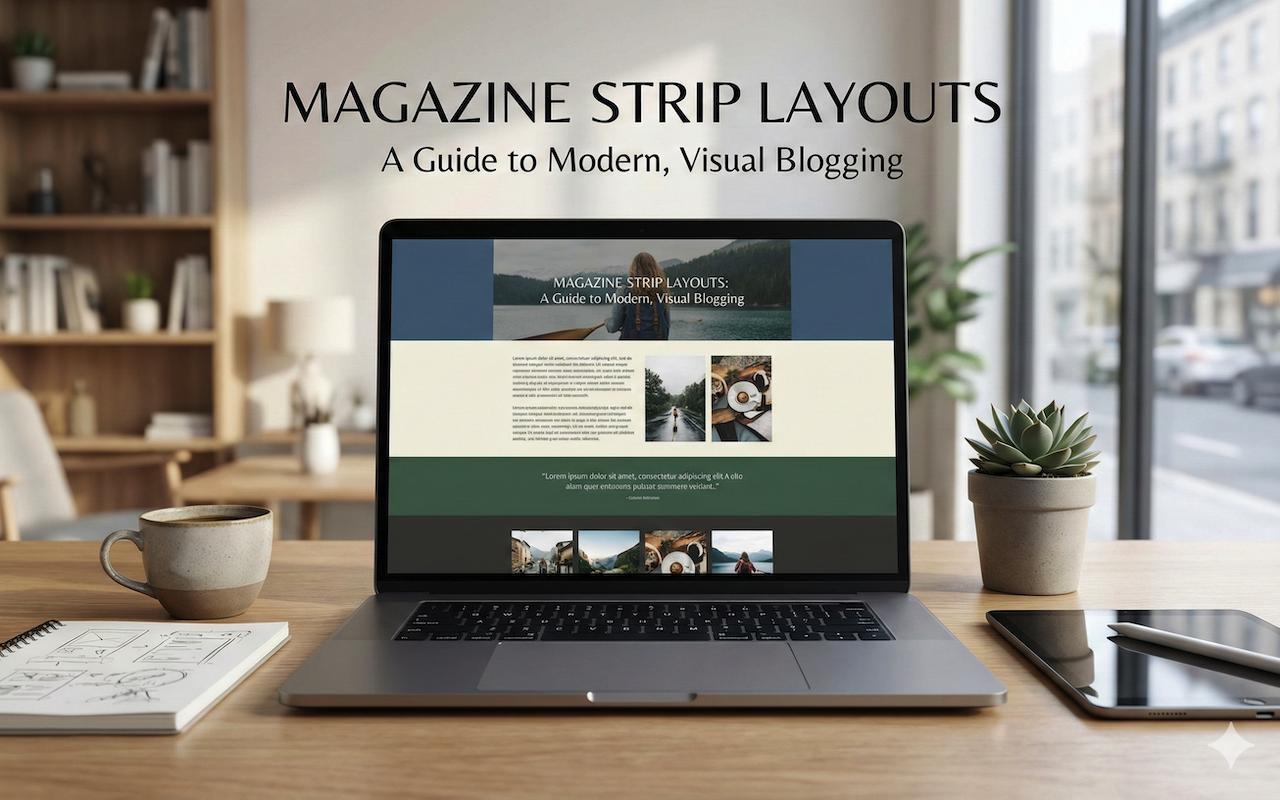
Blogging has gone through an enormous change in the last few years. Users no longer need data; they need visual storytelling, specialized formats, and posts that feel advanced and magazine-like. That’s where the magazine strip layout steps in. This slant has quickly gained traction among bloggers, content creators, and others who need their posts to stand out in a crowded digital landscape. In place of long, conventional passages, this layered, in-vogue look instantly elevates your blog’s overall vibe.
If you’re arranging to upgrade your blog’s plan, include visual energy, or basically grant your content a premium feel, learning how to utilize this segmented layout can be a game-changer. It mixes inventiveness with structure, making your posts both appealing and straightforward to read. Whether you’re showcasing design ideas, creative tools, or even technologies like video face swap, this approach helps your content stand out with style and clarity. Let’s jump into how you can make advanced, in-vogue posts utilizing this capable format technique.
What Is a Magazine Strip Design?
A magazine strip alludes to an outwardly sectioned layout motivated by present-day magazine pages. Instead of displaying content in a single long column, your content, images, and visuals are organized into clear sections—almost like storyboards. This creates a streaming, magazine-like experience that feels both professional and artistic.
This fashion is particularly well known on lifestyle blogs, websites, creative portfolios, travel journals, and storytelling blogs. In any case, any specialty can benefit from the cutting-edge and the premium feel the format provides.
Why Bloggers Are Exchanging to Strip-Style Layouts
- Tall Visual Appeal
This layout gives your web journal posts a clean, publication-ready look. It breaks the substance into bite-sized pieces, making each segment visually appealing and easier to eat. - Outlined for Better Engagement
When readers encounter an advanced, well-designed article, they stay longer. Each strip acts as a visual hook that keeps readers scrolling. - Idealize Adjust of Content and Images
The segmented format helps display images, citations, highlights, and narrative elements without clutter. It feels clean and professional. - Improves Branding
Your web journal immediately feels more premium. This makes a difference in collaborations, sponsorships, and genuine user engagement, as well-presented content resonates with users. - Works Over All Niches
Whether you're running a food blog, travel blog, personal journaling page, or a tech blog, this style adapts beautifully.
How to Make A Present-Day Strip-Style Web Journal Post
- Begin With A Solid Visual Header
The first strip should receive immediate attention. A strong header image with your title makes the content stand out in leading magazines.
Example: A travel web journal might utilize a shocking scene; a lifestyle web journal may utilize moderate flat-lay images. - Utilize Clean, Organized Sections
Each strip should feel like a mini-story with a clear purpose. - Include High-Quality Images
This layout depends intensely on visuals. Sharp, well-edited images create a cohesive flow. - Keep Content Clear and Concise
Break passages, incorporate white space, and utilize key points for clarity. - Join Highlight Elements
Add subtle design elements such as pull quotes, tips, checklists, and highlight boxes. - Utilize Complementary Colors and Fonts
Stick to clean serif/sans-serif fonts. Limit your palette to 2–3 brand colors.
Benefits of Utilizing This Layout Style for Your Blog
- Improved readability
- Longer time on page
- Stronger visual branding
- Higher shareability
- More professional outlook
This segmented approach upgrades both user experience and content presentation.
Tips to Make Your Posts Stand Out
- Use wide or full-width visuals for dramatic impact.
- Add spacing or shadows for depth.
- Avoid overcrowded text blocks.
- Mix vertical and horizontal images.
- End with a strong CTA.
Little design choices create a huge difference.
Creating a visually stunning post in this style is only part of the equation. To ensure your content reaches a wider audience, SEO optimization is crucial. Start by naturally incorporating your main keyword into the title, headings, meta description, and the first 100 words of your post. Use descriptive alt text for all images to improve accessibility and ranking.
Internal linking helps search engines understand your site structure, while external links boost credibility. Additionally, ensure fast page load times by compressing images and using a responsive design, so your post looks great on both desktop and mobile devices. By combining stylish design with SEO best practices, your blog post can attract more readers, increase engagement, and grow your blog’s authority.
Final Thoughts
This blogging fashion is more than fair and in vogue; it’s a capable way to raise your content, inspire your viewers, and make your blog look professional without complicated tools. Whether you're a modern blogger or a prepared substance maker, embracing this fashion can revive your blog’s character and bring modern life into your storytelling.
By utilizing clean segments, high-quality pictures, discernible content, and stylish components, you can make an outwardly staggering web journal post that feels like a premium magazine page. With this arranged format, your blog becomes a space where imagination, plan, and narration all work together—making each post worth recollecting.
 FAQs
FAQs
The format isolates your web journal content into outwardly unmistakable strips or segments, comparable to modern magazine pages. This plan improves meaningfulness, visual offer, and engagement.
Using this style makes your posts more outwardly alluring, keeps viewers locked in, and gives your blog a premium, professional look that stands out in a crowded digital space.
Yes! Way of life, travel, tech, individual diaries, and, indeed, commerce blogs can benefit from the clean, advanced, and organized layout of magazine strips.
No. With organized segments, high-quality images, appropriate typography, and careful layout, even beginners can create these posts without advanced planning software.
This format breaks substance into edible segments, utilizes visuals effectively, highlights important points, and maintains a clean flow. This keeps readers scrolling longer and reduces bounce rates.
Featured Image generated by Google Gemini.
Share this post
Author

Read the latest articles from Rosie Anna
Shell Shockers Guide: How the Egg Shooter Became a Browser FPS Favorite

December 8, 2025
In a world where web-based entertainment is everywhere, many players first discover multiplayer shooters not on consoles, but through quick, accessible online games that run right in the browser. One of the most surprising success stories in this space is Shell Shockers, a fast-paced first-person shooter where ev [...]
Learn moreManaged Detection and Response Explained: Benefits, Features, and Use Cases

November 19, 2025
In today’s era of rapidly accelerating digitization, cyber threats are becoming increasingly sophisticated, frequent, and difficult to detect. Traditional security tools—such as antivirus software, firewalls, and intrusion detection systems—are no longer sufficient on their own to protect businesses [...]
Learn moreLeave a comment
All comments are moderated. Spammy and bot submitted comments are deleted. Please submit the comments that are helpful to others, and we'll approve your comments. A comment that includes outbound link will only be approved if the content is relevant to the topic, and has some value to our readers.
Comments (0)
No comment