
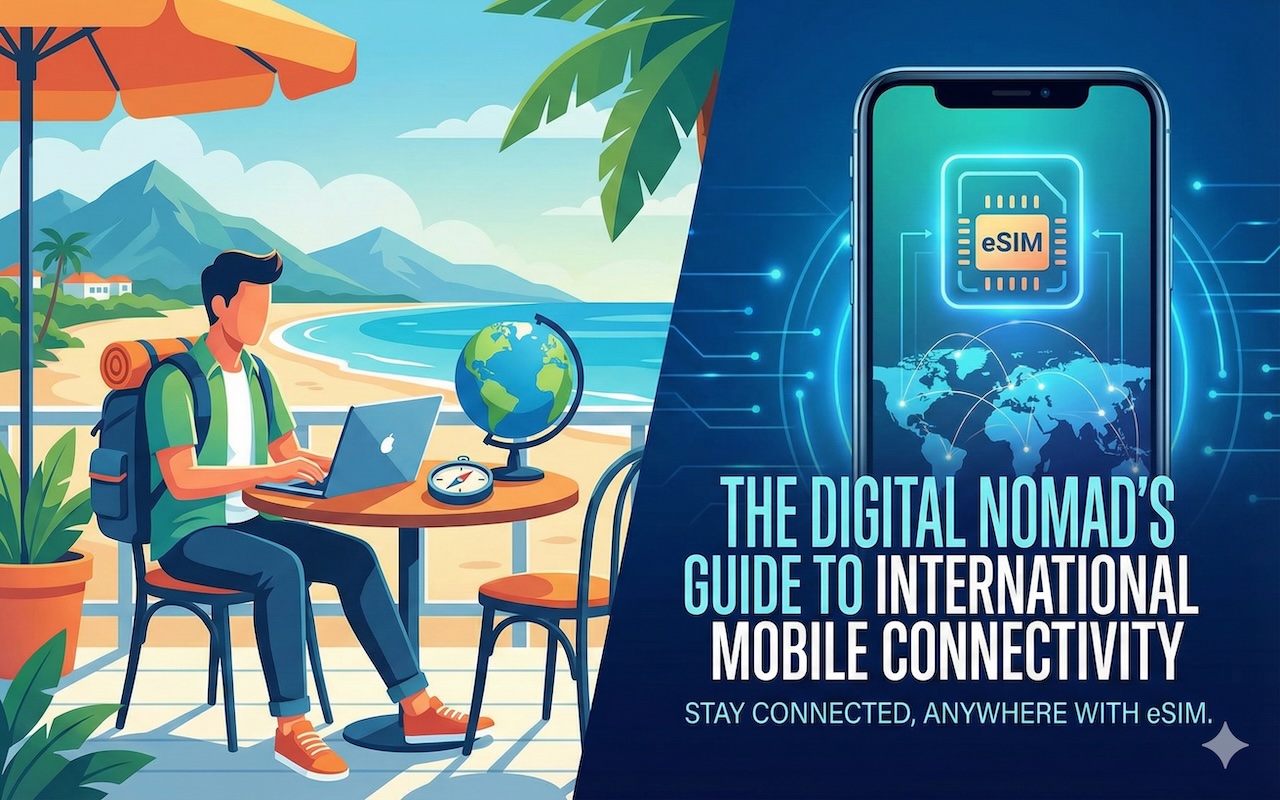
The promise of the digital nomad lifestyle involves working from a beachside cafe in Bali while sipping something with coconut in it. The reality involves spending forty-five minutes trying to connect to Wi-Fi that the barista swears is working fine, watching a loading bar inch forward while a client waits on the other end of a video call that may or may not actually be connected.
Approximately seventeen million Americans now describe themselves as digital nomads, a number that has grown considerably since the pandemic made everyone realize that their office job could, in fact, be done from anywhere with an internet connection. The catch is that "anywhere" actually needs an internet connection, preferably one that doesn't require standing in a specific corner of the room while holding a phone at a 43-degree angle.
The Cafe Mythology
Coffee shops around the world have cultivated a particular image: the remote worker hunched over a laptop, headphones in, productivity flowing. Instagram is full of these carefully curated shots. What the photos don't show is the negotiation that happens before the laptop even opens.
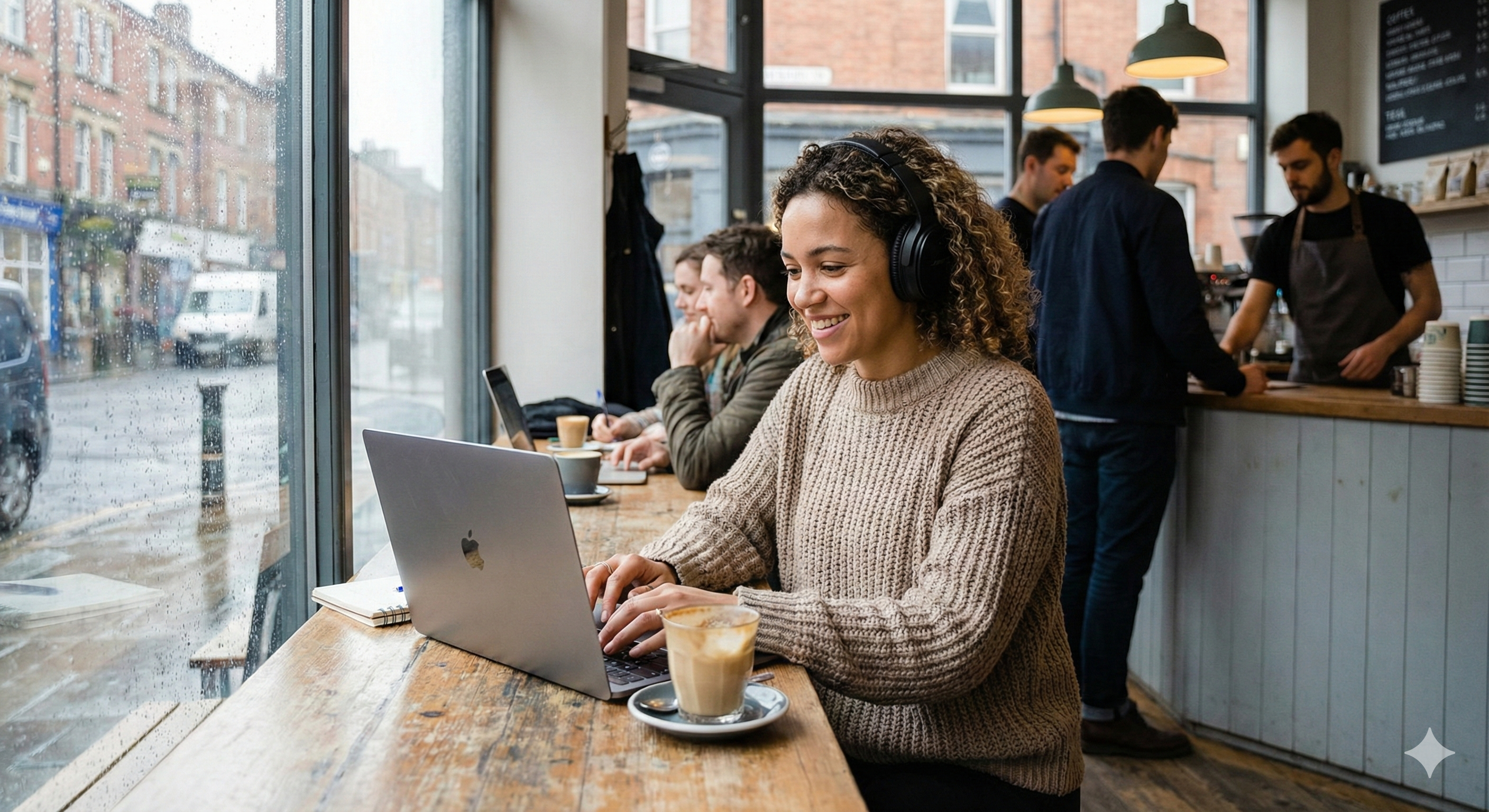
There's the matter of finding the Wi-Fi password, which may be written on a chalkboard in handwriting that requires interpretation, or told verbally by a server who has already walked away by the time you've pulled out your phone. Then there's the speed, which was tested at some point when the cafe first opened and has declined steadily ever since. During peak hours, video calls are converted to audio calls. Audio calls become text messages. Text messages become giving up entirely and ordering another coffee while waiting for conditions to improve.
Some establishments have begun pushing back against the laptop crowd entirely. A cafe in Lisbon limits computers to four seats, positioned behind a plant, and bans them completely on weekends. The owner's advice to digital nomads is refreshingly direct: please go to a real coworking space.
The Coworking Compromise
Coworking spaces emerged precisely because cafes were never designed to be offices. They offer enterprise-grade internet, desks, chairs designed for sitting for more than 30 minutes, and power outlets where they make sense. The cost ranges from twenty-five to fifty dollars per day or two hundred to five hundred dollars per month.
The math makes sense until you factor in that the entire point of being a digital nomad is movement, and coworking spaces are, by definition, stationary. A membership in Bangkok provides no value when you're on a train to Chiang Mai. The space you paid for in Lisbon doesn't follow you to Porto.
The Roaming Trap
Mobile carriers spent decades perfecting the art of international roaming charges. The system works as follows: use your phone normally in another country, then receive a bill that requires you to read it twice to confirm you haven't misunderstood the decimal placement. Some travelers return home to charges of several hundred dollars for a week's worth of modest usage. Checking email, navigating with maps, sending a few photos. Nothing that felt particularly extravagant at the time.
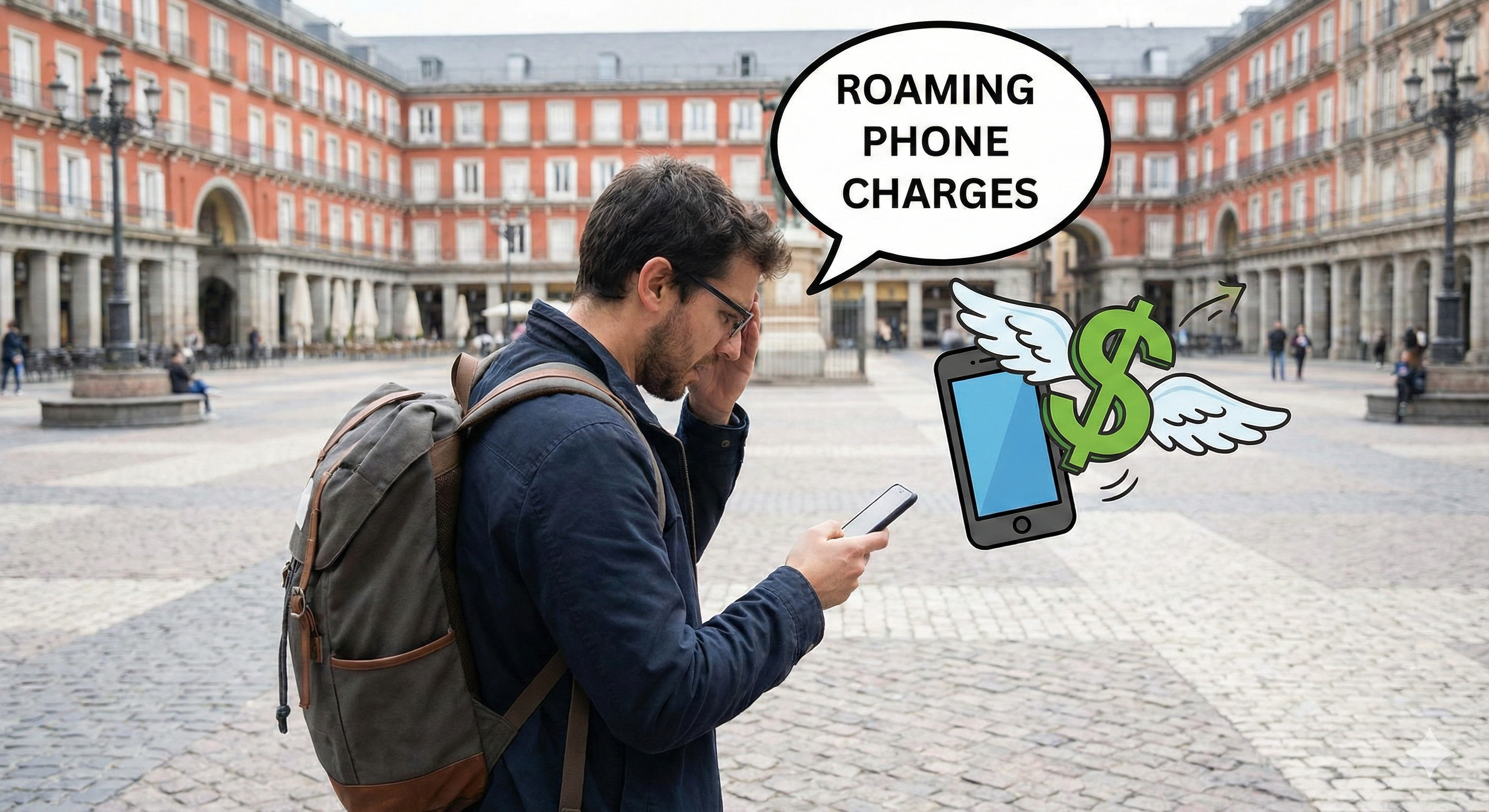
American carriers offer international plans with daily rates of around ten dollars, which sounds reasonable until you calculate ten dollars multiplied by thirty days multiplied by several months of travel. The convenience premium adds up to the cost of a flight.
The Physical SIM Ritual
Experienced travelers learned to purchase local SIM cards upon arrival. The process involves finding a mobile shop, presenting a passport, filling out registration forms, and, due to a language barrier, explaining exactly what kind of plan you need. In some countries, this takes fifteen minutes. In others, it becomes a morning's activity.
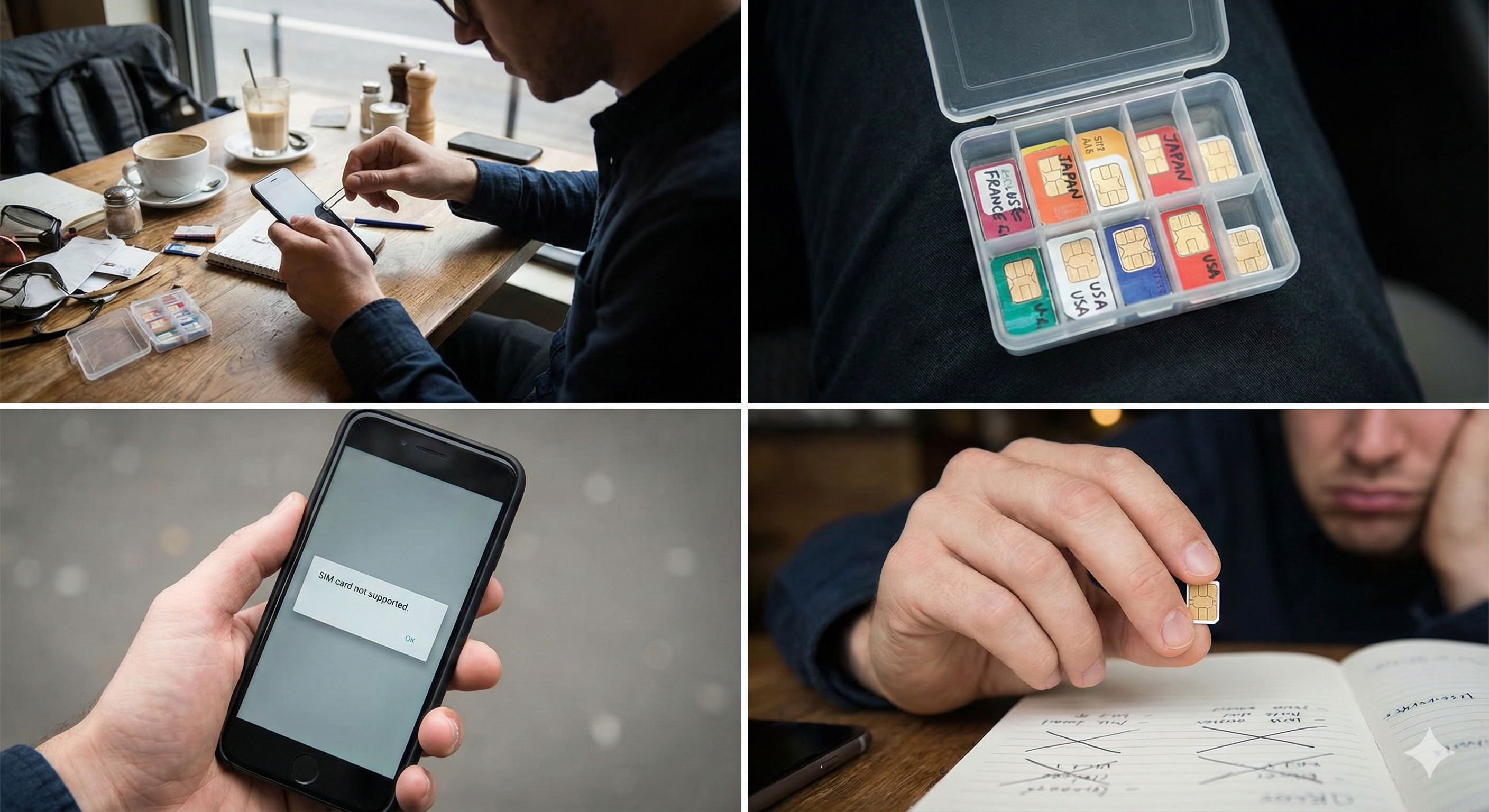
Then comes the physical swap: removing the tiny card from your home carrier, placing it somewhere you definitely won't lose it, inserting the new card, and hoping your phone accepts it without complaint. Repeat this process in every country. Maintain a small collection of SIM cards from previous destinations in case you return. Develop a system for remembering which card works where. Lose track of the system. Start over.
The eSIM Solution
Technology eventually solved the problem in a way that still surprises people who haven't heard of it. An eSIM is embedded directly in the phone, allowing data plans to be downloaded and activated without physical cards, shop visits, or passport presentations. The entire process happens on a screen.
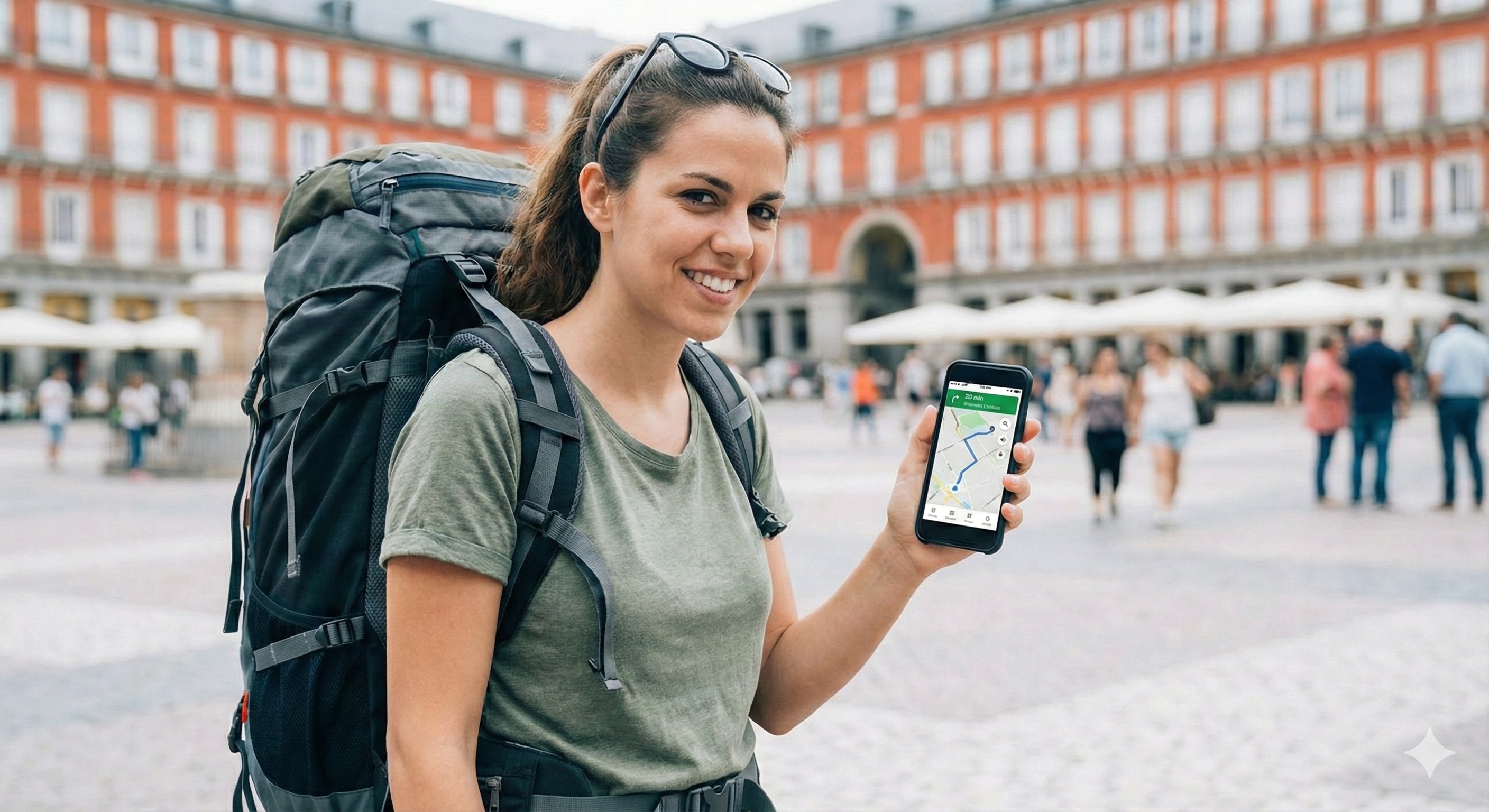
The logistics become remarkably simple. Before departure, or during the flight, or while standing in the immigration queue, a traveler purchases a plan, scans a QR code, and arrives with connectivity already arranged. No searching for shops. No language barriers. No tiny pieces of plastic to misplace.
Providers now offer affordable eSIM plans covering hundreds of destinations, with options ranging from single-country packages to regional bundles to global coverage. The pricing tends to be predictable: pay for a specific amount of data, use it, top up if needed. No surprises. No bills requiring interpretation.
The Independence Factor
Having reliable mobile data changes the nature of nomadic work in ways that aren't immediately obvious. A coworking space becomes a choice rather than a necessity. Cafes can be enjoyed for their coffee rather than their Wi-Fi. The beach with the good sunset actually becomes a viable work location, provided the tide doesn't threaten the laptop.
There's a particular kind of stress that comes from dependency on infrastructure controlled by others. Will the hotel Wi-Fi work during the important call? Is the cafe going to close before the deadline? These questions fade when connectivity travels with you. Navigation works everywhere. Translation apps function when you actually need them. The small conveniences add up to something larger: the ability to improvise, to change plans, to work from wherever circumstances take you.
The Bottom Line
The digital nomad lifestyle has always involved a tension between freedom and infrastructure. The freedom to work from anywhere runs directly into the requirement of reliable internet to actually do the work. For years, reconciling these demands meant accepting compromises: cafes with weak Wi-Fi, expensive coworking memberships, roaming bills that arrived like punishment for enjoying life.
The shift toward eSIM technology represents something quieter than a revolution but more useful than an upgrade. It removes friction. It reduces the number of things that can go wrong. It allows the focus to remain on work and travel rather than on the logistics of staying connected.
The digital nomads who figured this out months ago watch the newcomers struggle with the same problems they once faced. The passwords, the dead zones, the surprise charges. Eventually, everyone learns, usually the hard way. The option to skip that particular education now exists for anyone willing to take it.
Images generated by Google Gemini.
Share this post
Leave a comment
All comments are moderated. Spammy and bot submitted comments are deleted. Please submit the comments that are helpful to others, and we'll approve your comments. A comment that includes outbound link will only be approved if the content is relevant to the topic, and has some value to our readers.
Comments (0)
No comment