
Why Serious Teams Ditched Consumer VPNs—and Never Looked Back
Every major platform now treats the IP as part of the user fingerprint. Country, city, ASN, carrier, network type, and reputation history are checked in milliseconds. One mismatch → CAPTCHA, throttle, verification loop, or instant ban.
Google, Meta, Binance, Stripe, Blur, Tensor and even ordinary e-commerce sites do it. Consumer VPNs and random datacenter proxies simply stopped working for anything that actually brings profit.
Below is the current state of affairs (end of 2025 – beginning of 2026) — the types that still work and where each one is irreplaceable.
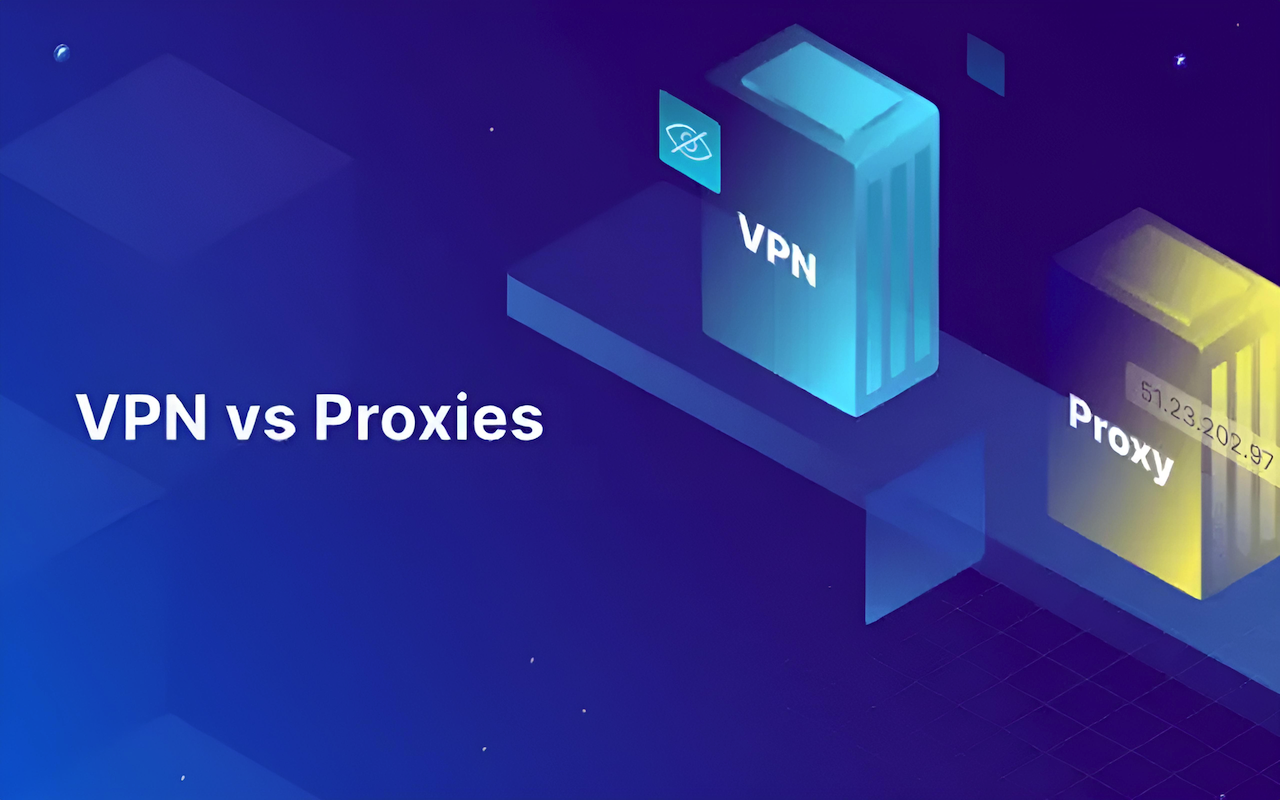
Proxies vs VPNs – The Comparison That Ended Every Internal Argument
| Factor | Consumer / Corporate VPNs | Professional Proxy Platforms |
|---|---|---|
| Users per IP | Hundreds – thousands | 1–10 or real single households |
| Detection rate 2025–2026 | 90–98% flagged as VPN/hosted | 2–8% when residential/mobile used correctly |
| Geo precision | Country, sometimes region | Country + city + ZIP + exact mobile carrier |
| Sticky session length | Usually <5 minutes | 1 minute – unlimited (your choice) |
| Concurrent connections | Highly limited | Practically unlimited |
| Speed per IP | Shared bandwidth, random drops | 50–1000 Mbps, no artificial caps |
| Pass rate on strict platforms | <40% | 92–98% with the right type |
Proxy Types That Actually Survived 2025–2026
| Type | Source | Trust and Detection Profile | Speed | Sticky Sessions | Price (per GB) | Where it’s mandatory right now |
|---|---|---|---|---|---|---|
| ISP proxies | Registered on real broadband ISPs | Seen as normal home connection | 300–1000 Mbps | Unlimited | $1–$3 | FB/Google/TikTok campaigns, heavy parsing, account warm-up |
| True residential | Real home routers & PCs | Very high organic trust | 20–100 Mbps | 1–30 min | $5–$10 | Multi-accounting, ad verification, light farming |
| Mobile / Mobile+ | Real 4G/5G SIM cards | Highest possible + carrier-grade NAT | 20–150 Mbps | 1–30 min configurable | $7–$15 | Binance/Bybit P2P, AV, Blur/Tensor mints, all new L2/L3 drops |
| Dedicated (personal) | Single IP per client | You control the reputation | Depends | Unlimited | $2–$10/IP/mo | Long-term ad accounts, personal wallets |
| Prime / Elite residential | Hand-picked, almost virgin IPs | Pass newest anti-sybil checks | 30–120 Mbps | Up to 60 min | $15–$30 | Limited NFT drops, private testnets |
Mobile proxies with carrier & geo selection are currently one of the few reliable methods for consistently passing the newest fraud-detection systems on exchanges and NFT platforms. A clean real-world implementation of this capability can be seen in various modern proxy management tools.
The Hybrid Setup Used by Almost Every Profitable Team Right Now
- 70–80% of traffic → ISP proxies (cheap, unlimited threads, maximum speed)
- 20–30% → Mobile+ with the exact carrier (only logins, registrations, sensitive actions)
One API call switches between them. Budget drops 45–60%, pass rate stays 94–98% on the strictest platforms.
Tools That Actually Save Hours Every Single Day
(no registration, no limits)
1. IP Lookup
Drop any IP and instantly see:
- Country, city, ZIP
- ASN and carrier
- Network type (residential/mobile/datacenter)
- Blacklist status (15+ databases)
- VPN/Proxy flags used by Meta, Google, Cloudflare
2. Proxy Checker
Upload 10 000 lines → result in <50 seconds:
- Live/dead
- Real speed
- Anonymity level
- Geo and protocol support
3. Format Converter
One-click conversion between 20+ formats (ip:port:user:pass ↔ user:pass@ip:port ↔ raw sockets)
Useful tools such as IP Lookup, Proxy Checker, and Format Converter can save hours of manual work.
Bottom line
The IP address is now a variable you intentionally control — just like fingerprints, TLS or canvas noise in antidetect browsers.
Take whatever IP you’re using right now, run it through a proper lookup and count the red flags. That 10-second check usually becomes the moment teams switch from “whatever is cheap” to real proxy infrastructure.
Share this post
Leave a comment
All comments are moderated. Spammy and bot submitted comments are deleted. Please submit the comments that are helpful to others, and we'll approve your comments. A comment that includes outbound link will only be approved if the content is relevant to the topic, and has some value to our readers.







Comments (0)
No comment