A crash doesn’t give you time to think. One moment you’re driving, the next you’re surrounded by noise, confusion, and adrenaline. While the scene may feel chaotic, the devices you carry, including your phone, your dashcam, and even your car itself, are quietly recording the truth. In the hours that follow, these digital witnesses can become the strongest evidence you have, but only if you know how to protect them. Small decisions made in the first few minutes can shape your future case, strengthen your credibility, and prevent critical details from disappearing forever. This guide breaks down the simple moves anyone can take to secure their digital trail when everything else feels out of control.
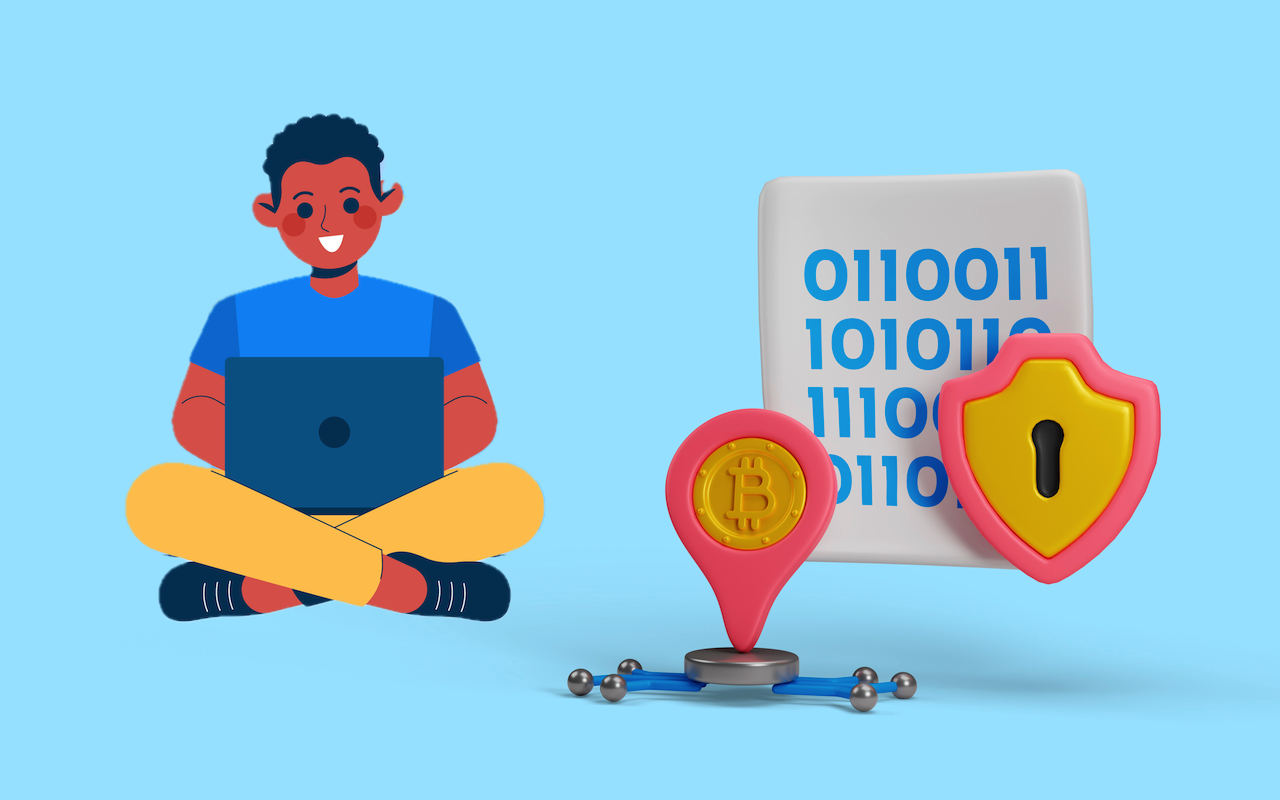
We love telling ourselves that cryptocurrency represents financial freedom and anonymity, but there's something deliciously ironic about logging into centralized exchanges with the same device that just tracked our every move across the internet. Whether you're using established platforms or newer services like SimpleSwap, every connection leaves digital breadcrumbs that make the NSA's surveillance programs look quaint by comparison.
Let’s set the scene. You’re opening your favorite study app, ready to
cram vocabulary or finish a quick quiz. Everything feels smooth until
the app tosses you a pop-up: Allow access to your location? And suddenly
you’re thinking, I’m just trying to learn – why do you need GPS-level
intel on me? This is exactly where geolocation becomes both super
convenient and kind of spooky.
Many people search for SIM owner details online because they receive
calls from unknown numbers and want to stay safe. They also use tools
like IP location and IP lookup
to understand where a call or message might be coming from. The goal is
usually to confirm whether a number is real or if someone is contacting
them without a valid reason. As a SIM database expert, I will explain
everything in simple words so every person can understand it easily, and
you will feel confident using methods that respect privacy and follow
legal guidelines.
The internet has become an intricate web of data exchange that both empowers users and poses unique challenges in terms of privacy, security, and regulatory compliance. With the rise of digital anonymity tools like VPNs and proxies, the ability to track users based on their masked IP behavior has become increasingly complex. These technologies obscure a user's real IP address and allow them to access geo-restricted content and circumvent censorship regulations. Understanding the underlying methods and tools used to reveal masked IP behavior is really important for businesses, marketers, and cybersecurity professionals seeking to maintain integrity and security in their online interactions.
For years, the conversation around enterprise technology has been dominated by cloud adoption, digital transformation, and the shift toward distributed systems. Yet while businesses race to modernize their infrastructure, one piece of technology quietly continues to run much of the world: the mainframe. Far from being obsolete, mainframes remain central to industries that handle massive volumes of sensitive data, from banking and healthcare to government operations. And when you look at the modern landscape of cybersecurity challenges, the value of specialized mainframe services becomes even clearer.
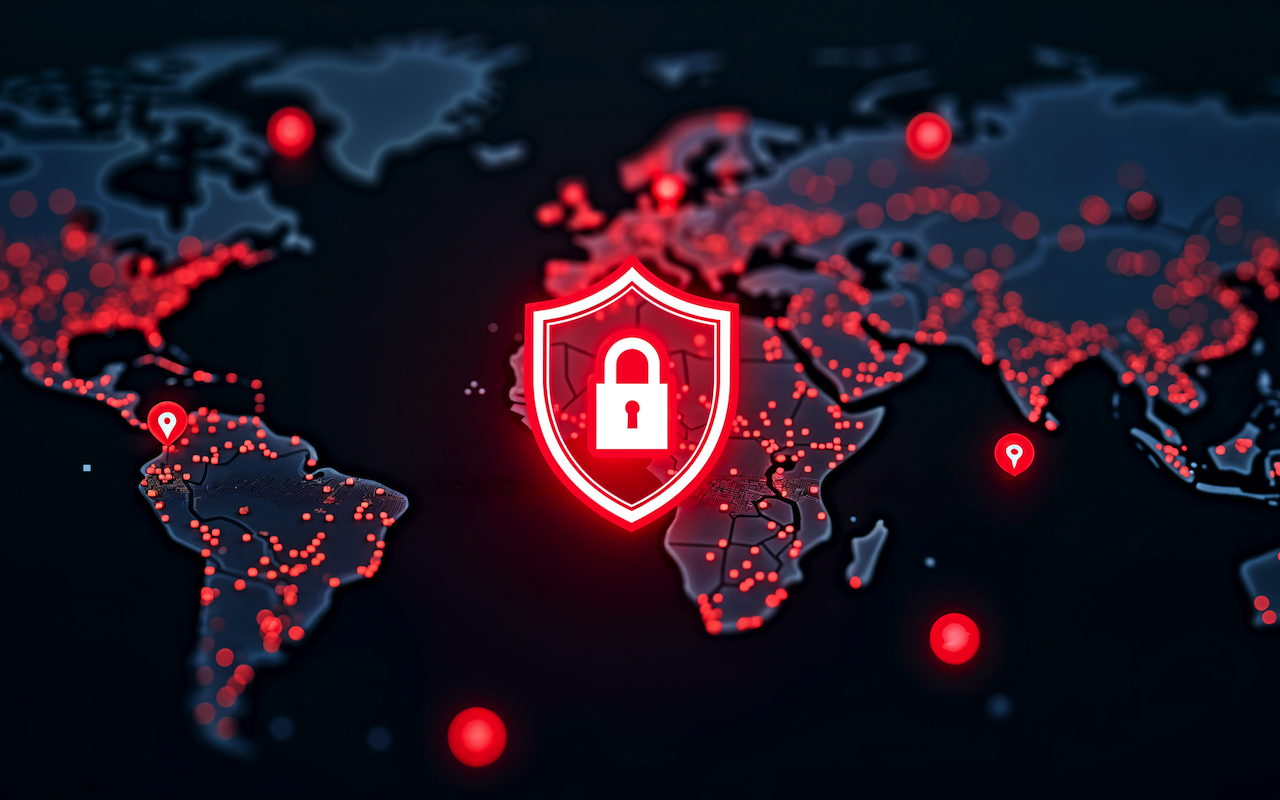
Did you know websites track your every move as you browse the internet? More than 5 billion active internet users worldwide create digital footprints with each click. Your browser records every website visit and click you make.
Computers follow instructions. That's literally their whole thing, they execute code line by line in exact order. Which creates a strange problem when you need something random because computers don't really do random naturally. They're built for precision and repeatability, the opposite of randomness. But tons of applications need random numbers so programmers had to figure something out.
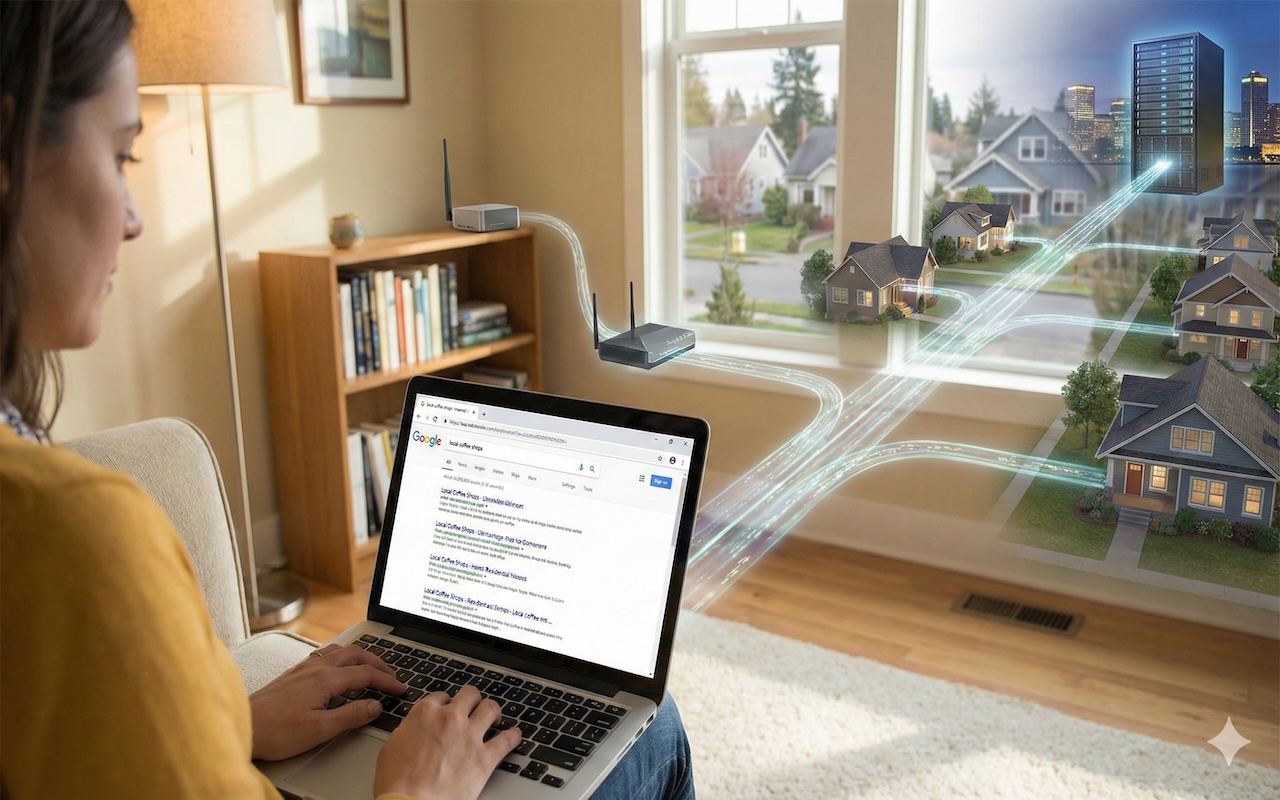
Staying anonymous and gathering data online has become increasingly important, especially for businesses relying on automation, research, and global visibility. One tool that continues to gain traction is the proxy, a reliable way to access the internet through geographically targeted IP addresses rather than your own IP address.
Nano Banana Pro is an advanced AI image-generation and editing model
developed by Google DeepMind, built on the foundation of the Gemini 3
Pro architecture. It is designed to empower creators, marketers, and
enterprises with studio-quality visuals, high-fidelity editing,
multilingual text rendering, and contextual understanding of the real
world.
At IPLocation.net, we prioritize the privacy and security of our visitors. We want you to feel confident and comfortable when browsing our website. That's why we want to assure you that we do not sell or share any personal information collected from our website.
Your trust is important to us. Whether you're browsing our site for information, or engaging with our content, rest assured that any data you provide remains strictly confidential. We adhere to stringent privacy policies and comply with all relevant regulations to safeguard your information.
Your privacy matters, and we are committed to maintaining the highest standards of data protection. If you have any questions or concerns regarding our privacy practices, please don't hesitate to reach out to us.