Blog Category


MCP Server

Artificial intelligence systems are evolving rapidly, and so are the tools that connect them to the real world. As large language models (LLMs) like ChatGPT, Claude, and Gemini become more capable, the need for a standard way to let these models interact safely with external data sources, APIs, and applications has become urgent. That’s where the Model Context Protocol (MCP) comes in. Think of it as a universal translator for AI, a common language that allows different AI applications to communicate seamlessly with databases, APIs, and digital tools through modular, secure connections known as MCP servers.

AI Agent

In modern business environments, teams face increasing pressure to manage information, systems, and tasks efficiently. To address these challenges, many organizations are adopting AI agents, automated systems designed to perform routine digital work and reduce the time employees spend on repetitive processes. Companies such as Zentegrio develop these AI agents to help businesses automate repetitive workflows and integrate digital assistants into existing operations.

Emotional Awareness

You might not even know why you feel "off" at times. You feel irritable all day, or you suddenly feel sad during a quiet moment. You know you're feeling something, but you can't quite put your finger on what it is. In our busy lives, taking a moment to really figure out how we feel is often the first thing to go. We don't have a place to work out the problems in our heads.

Robotics

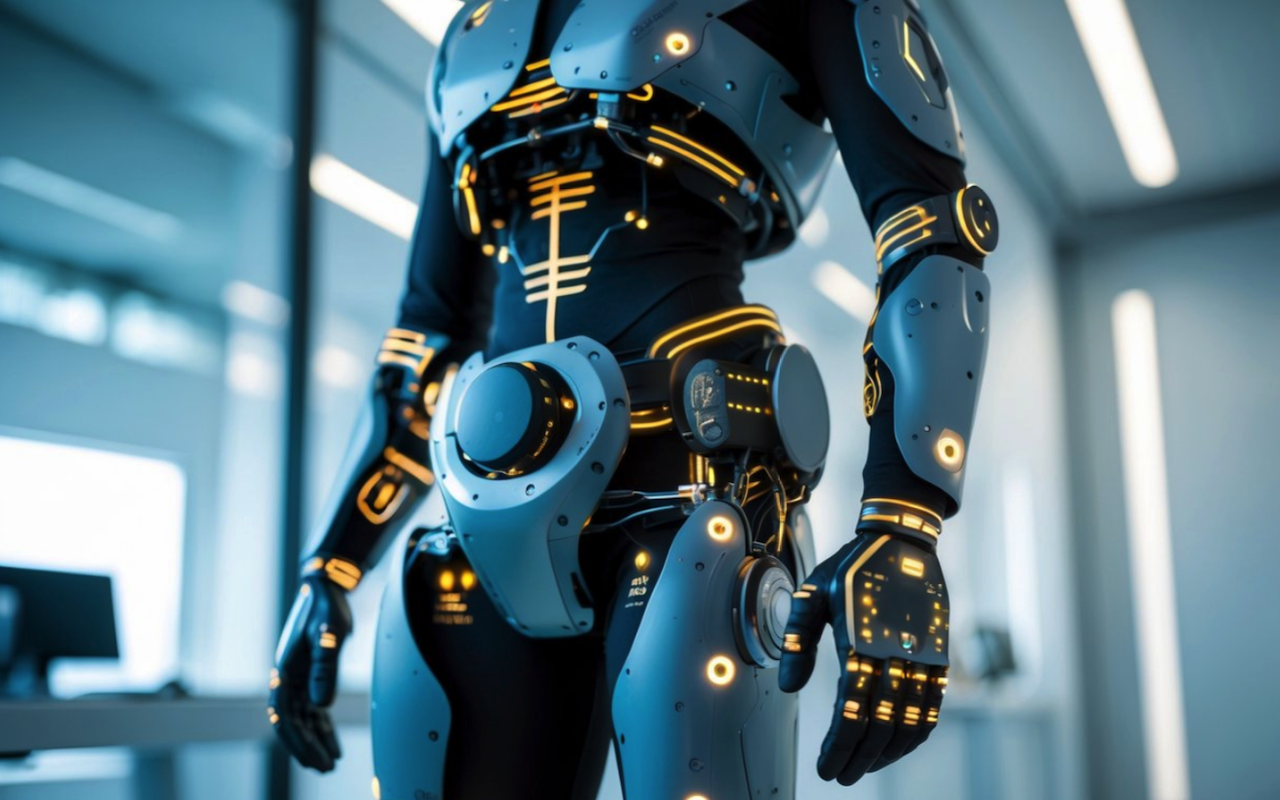
Let’s be honest: exoskeletons aren’t just about motors and metal. The real magic comes from sensor fusion, where streams of data from different sources blend together to help the device move with you, not against you. By mixing signals from motion trackers, muscle sensors, and more, these wearable robots can estimate joint angles, spot muscle activity, and tweak support instantly. This is what makes the experience feel less like a sci-fi costume and more like an extension of your own body. Want to see how this plays out in real-world design? Check out this behind-the-scenes look at robotic exoskeletons or compare performance with and without advanced sensor systems here.

AI for Startups

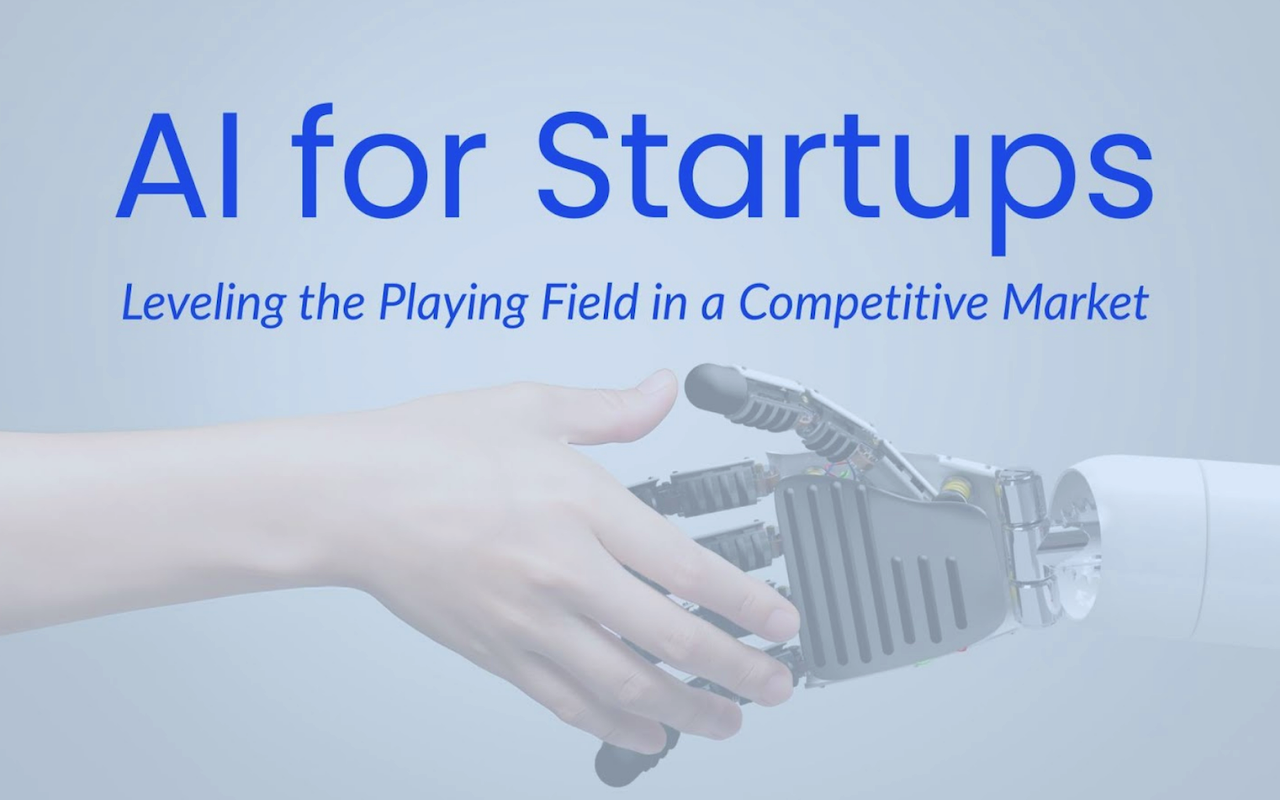
Spoiler Alert: Being a startup is NOT easy. Every single day feels like you’re sprinting (been there; done that). You drown in data, juggle sales calls like your life depends on it, chase investors, and STILL make critical decisions based on, “ehhh, maybe?” That’s the exhausting reality for most of us founders. A reality you can easily change with AI for startups.

AI Avatars

Not a long time ago, the avatar was once seen as a blue-skinned character from a movie. What was once a term reserved for blue-skinned movie characters, the word avatar now represents the next evolution of how people connect, communicate, and create online. With the rise of AI avatar generators, anyone—from individual creators to global brands—can design lifelike or stylized digital versions of themselves for use in videos, marketing, social media, and beyond.

AI

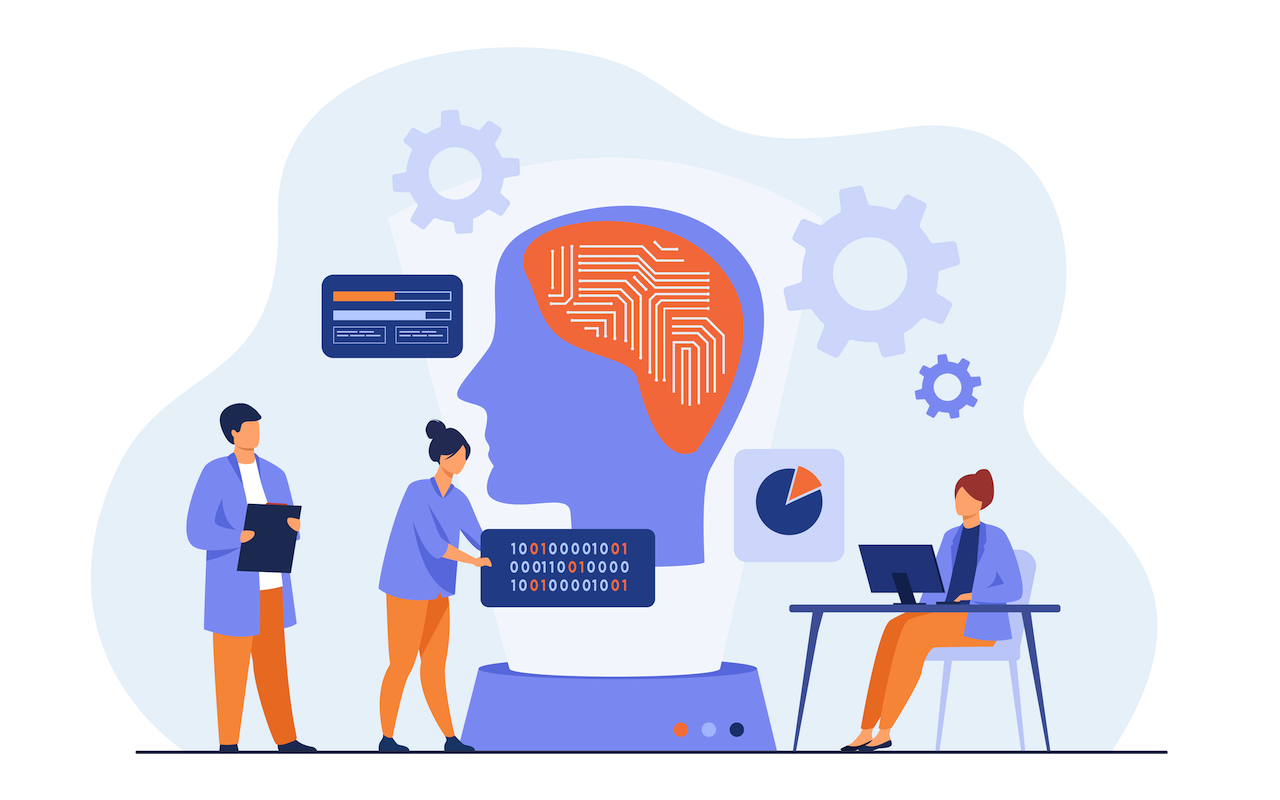
Artificial intelligence is now a reality, not an idea of tomorrow. It is transforming industries today, redefining how we work, communicate, and innovate. From healthcare and finance to e-commerce and digital marketing, AI is becoming the backbone of progress. For tech professionals, staying ahead in this rapidly evolving landscape requires not just technical know-how, but also a deep understanding of how AI drives transformation.

AI

In the modern era of a rapid digitalized industry, AI in video production has turned out to be a game-changer. Artificial intelligence is transforming the entertainment sector, starting with the editing processes and the personalization of content. Companies, directors and producers are starting to depend on AI-enabled software more to produce interesting videos quickly, intelligently, and inexpensively. The article addresses the potential of AI in contemporary video production and its impact on the entertainment industry.

Next-Gen Tools

The past decade has marked a period of hyperconvergence between technology and human well-being. What once seemed like science fiction has now become reality: computers can warn you when you’re about to fall ill, devices can track every heartbeat, and applications can guide your lifestyle choices. This revolution has transformed not only how physicians treat patients but also how individuals engage with their own health. The rise of artificial intelligence has accelerated these transformations, enabling systems that can analyze, predict, and personalize care in ways unimaginable just a few decades ago.